


How To Light Your Living Room
Whether you prefer bright and light or warm and cosy, the right lighting can transform your space, set the mood, highlight decor, and enhance functionality. We’ll share expert tips and ideas to help you choose the perfect fixtures and master the art of layered lighting. Get ready to illuminate your living room and create an inviting atmosphere for every occasion.
What type of lighting is best for a living room?
Warm white or soft white light are usually the go-to options for living room lighting as they emit a softer, more relaxing glow, perfect for unwinding. Cooler lights are more suitable for kitchens or home offices where clear lighting is needed. Ultimately choosing the right bulb temperature is down to your personal preference.
Type of living room lighting
Ambient lighting – General or background lighting for overall illumination. In a living room, this would be ceiling lights or wall lights.
Task lighting – Lights up the area for your task, like reading. For living rooms, this would be floor lamps or table lamps.
Accent lighting – Casts a glow on important objects or architectural features. In a living room, this could be picture lights for artwork or strategically placed recessed spotlights (also known as downlights).
How to plan living room lighting ideas
Layering light sources is the key to perfecting living room lighting. Whether you have a small or a large living room, multiple light sources can create the right feel and make the space functional, whether you need a ceiling light for task lighting, a floor lamp for reading or table lamps for cosy movie nights.
Draw a simple floor plan of the room and sketch where you need lighting. Consider use and practicality, for example, where you’ll need light for tasks such as reading versus where the sockets are. New sockets may need to be added to accommodate your lighting needs.
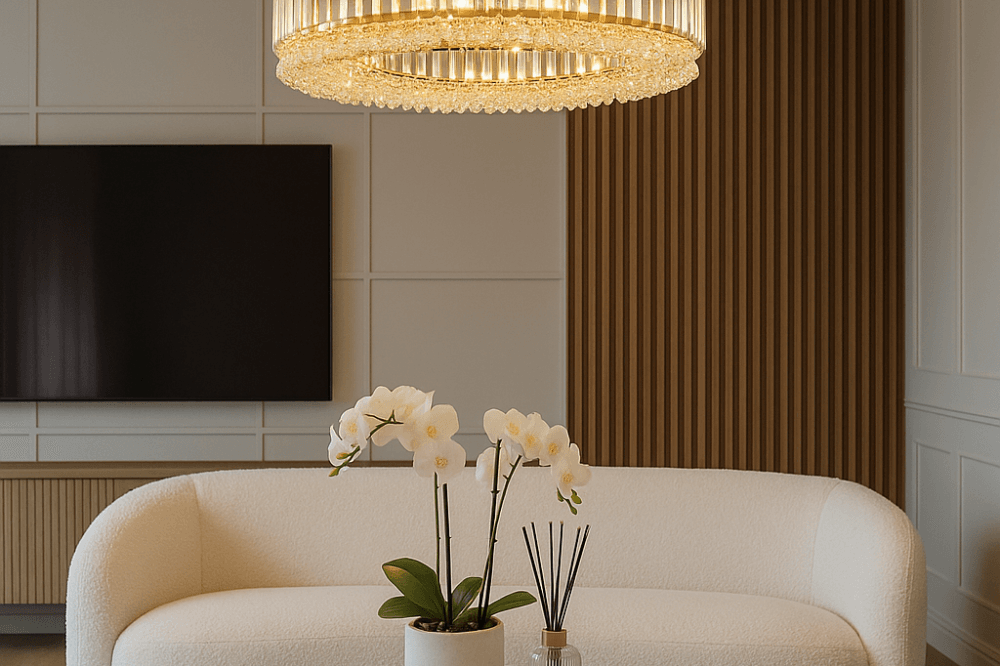
1. Start by using a central living room ceiling light for an even layer of lighting.
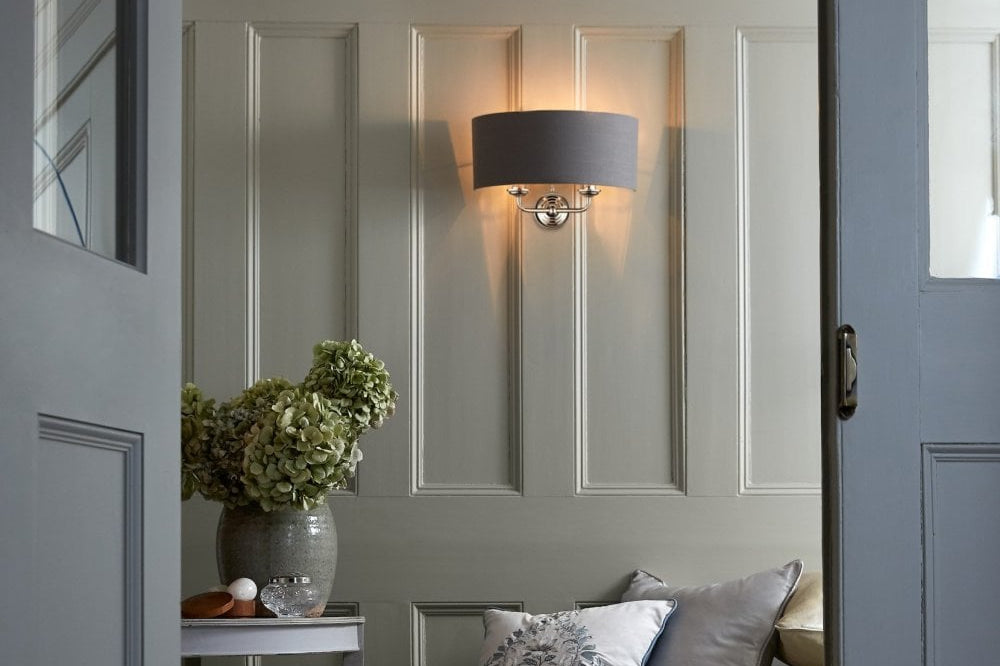
2. Add lights to the walls, especially in larger spaces. You want to create contrast between the light at the centre of the room and around the edges and fill the darker spaces in between to avoid it feeling flat.
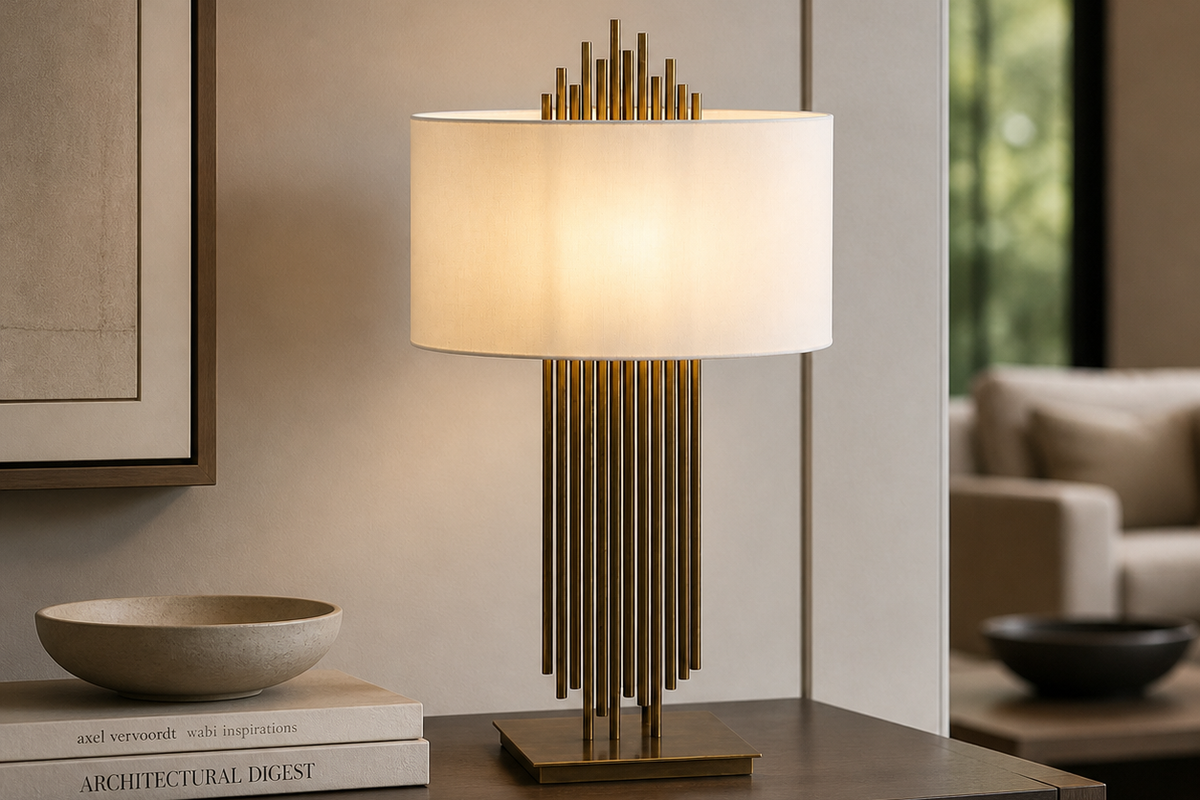
3. Use a combination of dimmable floor and table lamps across the room, usually in the corners or at opposite ends of a sofa.
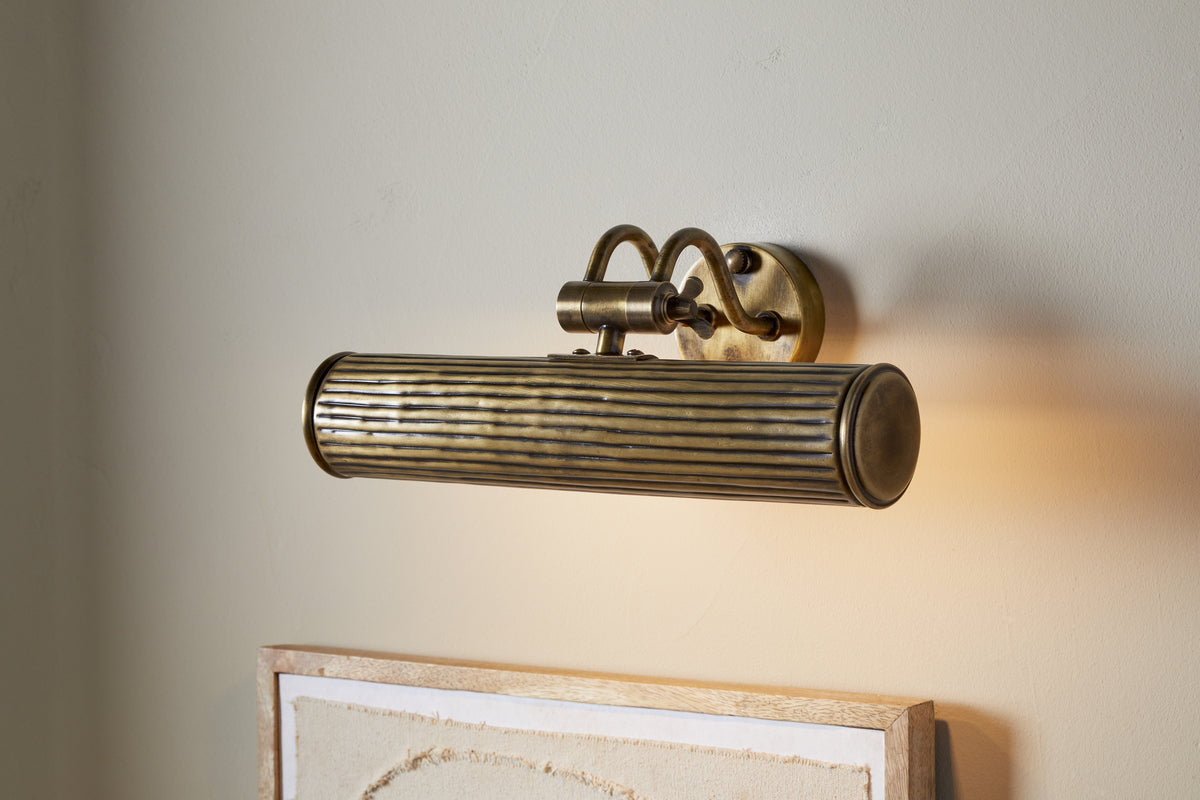
4. Add picture lights to highlight any artwork.
Types of living room lights
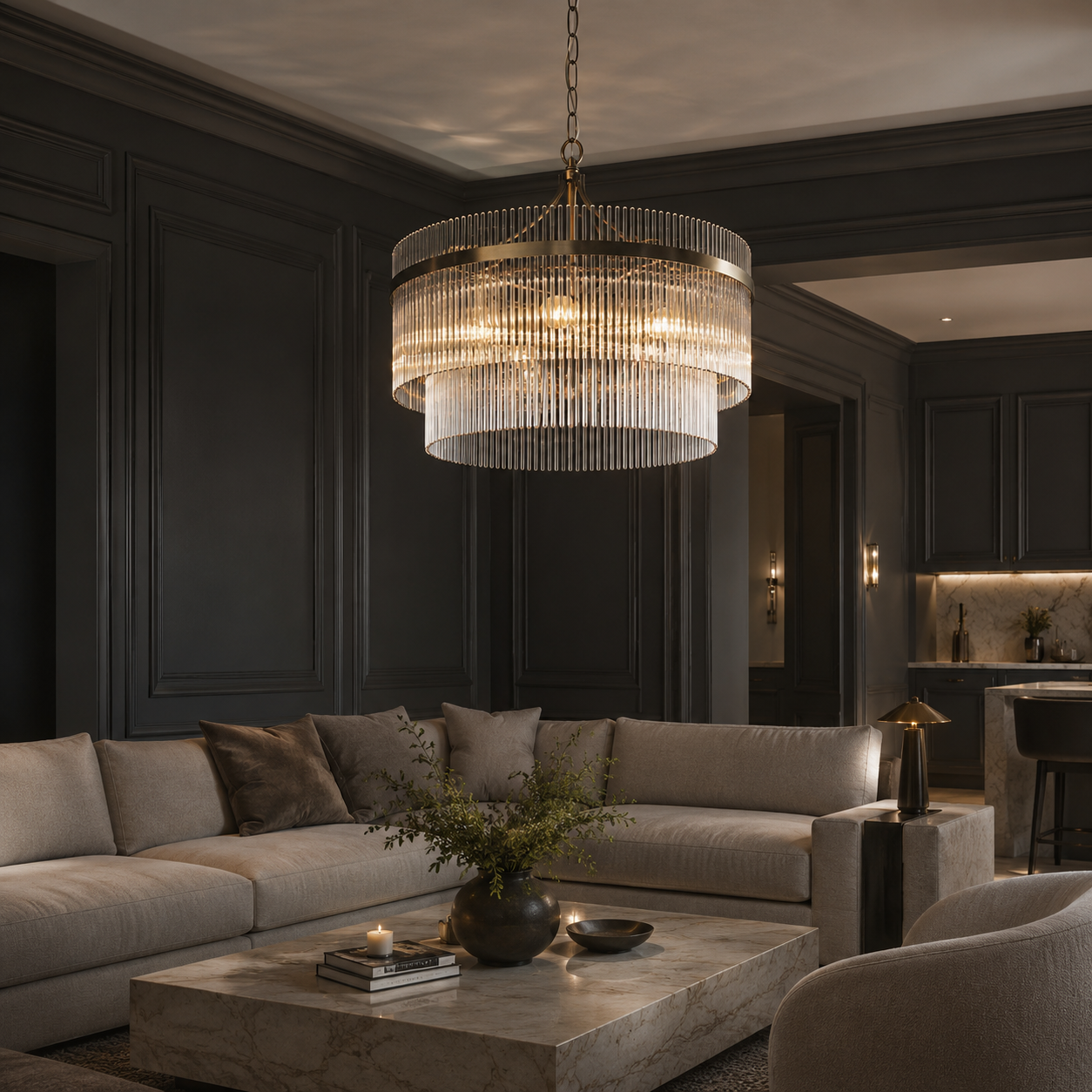
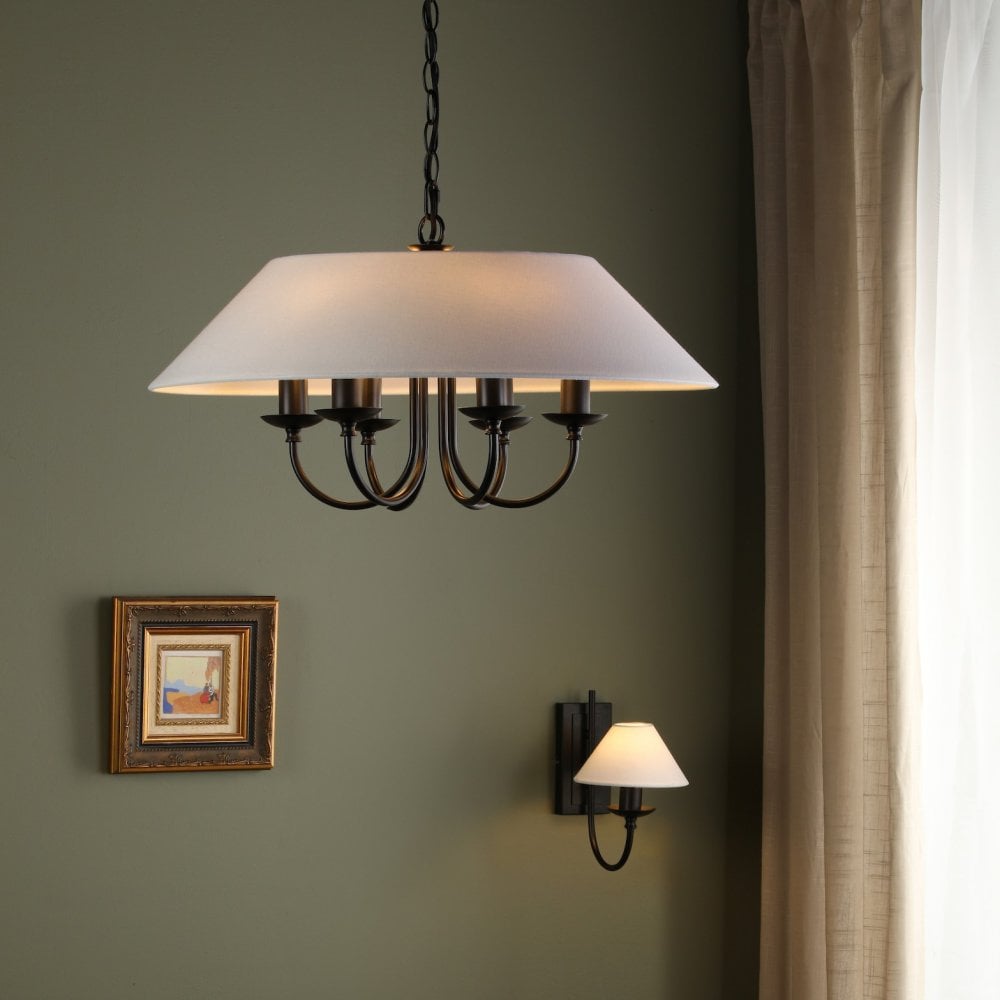
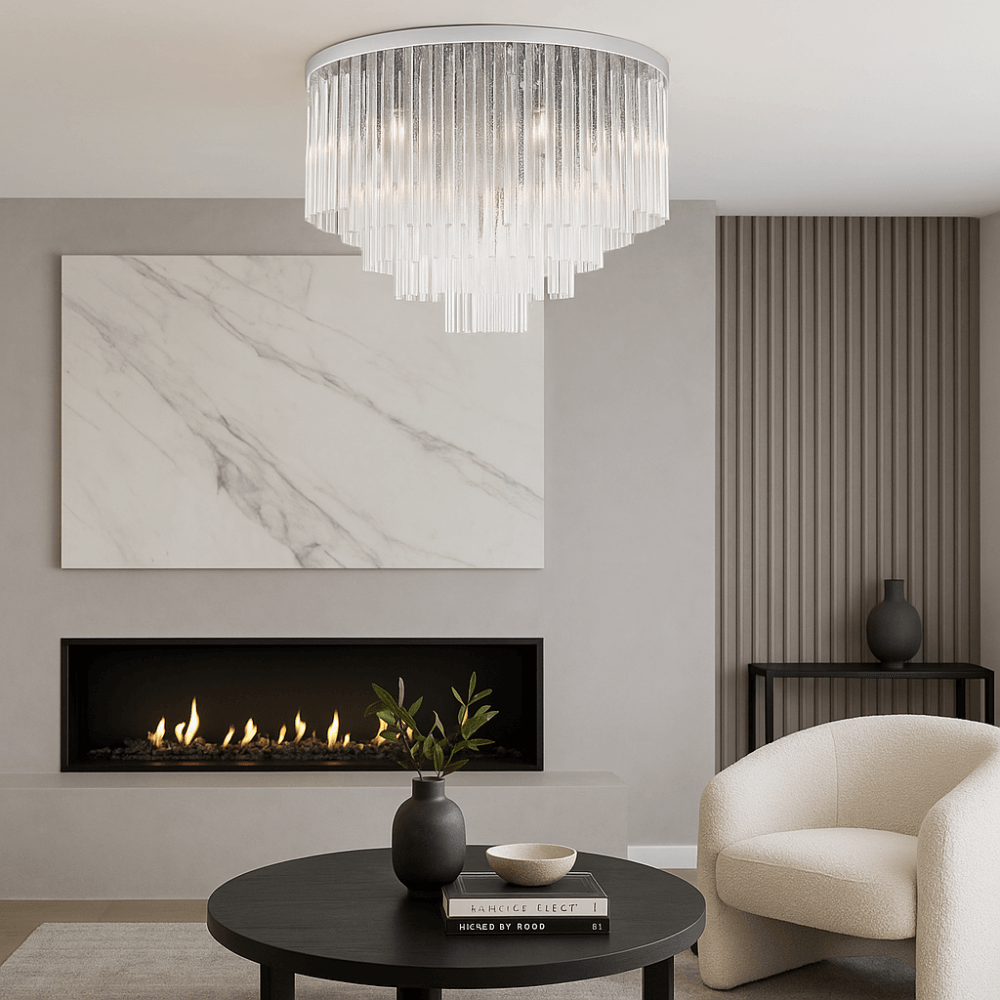
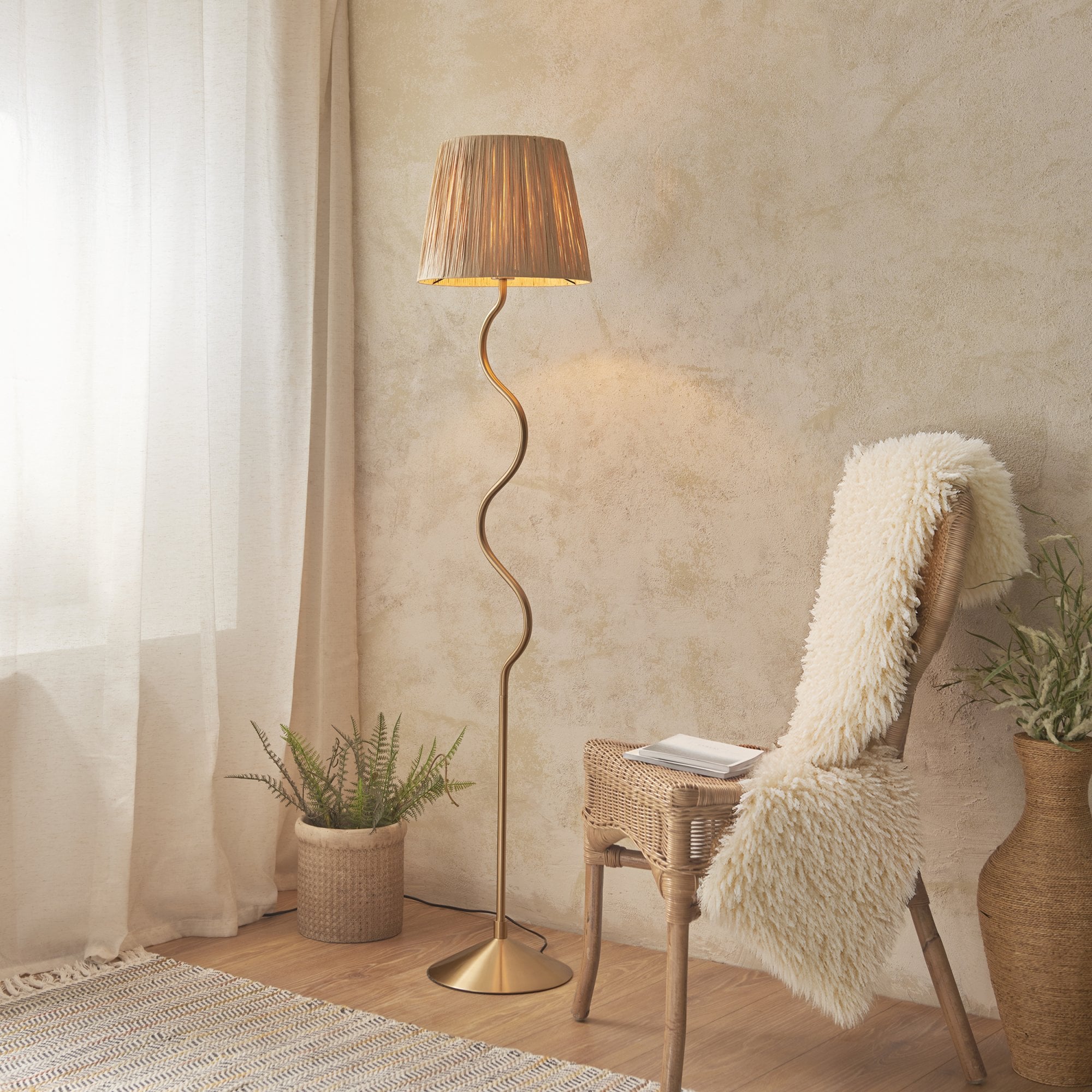
Pendants are stylish and versatile, normally used to create a focal point in the room. They come in various designs, from minimalist to elaborate, and are available as a single pendant or cluster pendants. Pendants are particularly effective centrally in a room over coffee tables or in reading nooks.
Flush ceiling lights lay flat against the ceiling, making them ideal for rooms with low ceilings. They provide even illumination and come in many designs, from simple to decorative. These lights are great for general ambient lighting, ensuring the entire room is well-lit without taking up too much space.
Chandeliers are a classic choice for adding elegance to a living room. They come in many styles, from traditional crystal to modern designs. A chandelier can be a stunning centrepiece, providing light and a decorative centrepiece.
Floor lamps are functional and decorative, perfect for adding light to dark corners or highlighting specific areas. They come in various styles, such as arc, tripod, and tree lamps, each offering unique benefits. Floor lamps are portable, making changing their position as needed to suit different activities or room layouts easy.
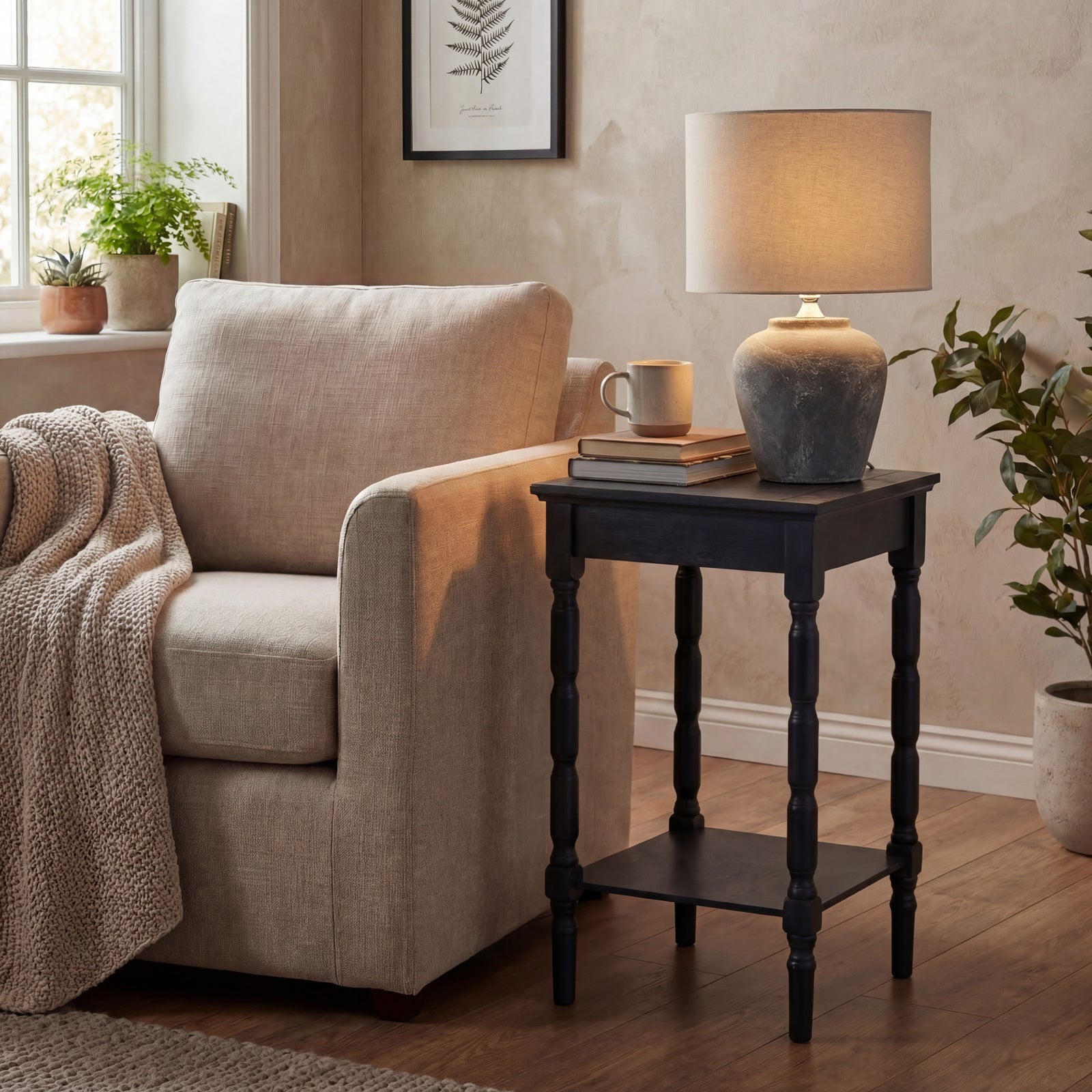
Table lamps are a staple in living room lighting, providing task lighting for reading or ambient lighting to create a cosy atmosphere. They come in several designs, sizes, and colours, allowing you to find the perfect match for your home. Placing table lamps on side or console tables can also add balance and symmetry to your room.
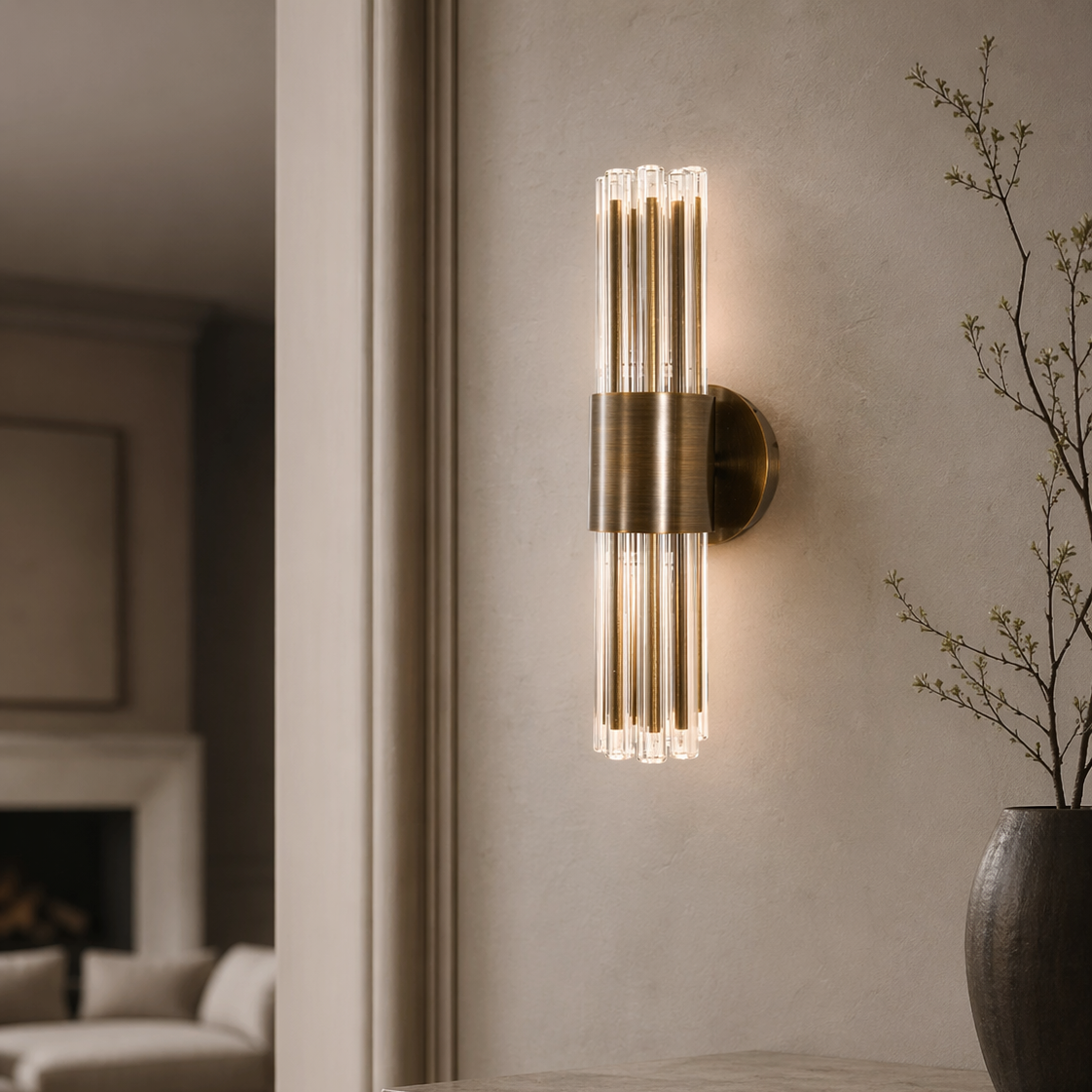
Wall lights, or sconces, are excellent for adding layered lighting and enhancing the ambience. They can highlight artwork or architectural features or add soft, diffused light. They also save space in smaller rooms, as they don’t take up any floor or table space.

Lights by room size
Small living room lighting ideas
Layer lighting at different heights for added dimension and use it to create pockets of light within a large space to create separate zones. Creating zones will act as a solution if you want to make your room feel bigger.
Use a ceiling light to focus on key areas, like seating, rather than purely for general background light and choose sleek floor lamps to add to the corners, as this will eliminate the need for a side table and lamp, saving floor space.
Large living room lighting ideas
Whether you’ve got a large living room area or an open-plan living space, choosing lighting that works for the space is important.
Choose fixtures that are proportionate to the size of the room. Large, open spaces can handle bigger, bolder lighting pieces like oversized chandeliers or large pendant lights.
If your living room has multiple zones, whether seating areas, dining areas, or reading nooks, ensure each zone has its own lighting scheme.
Low-ceiling living room lighting
When choosing lights for low ceilings, flush lights are excellent, as they lie directly against the ceiling with no gap. Semi-flush ceiling lights are another great option, as they have a short stem to lower the light without hanging down too much.
Living room wall lights are also excellent for low ceilings as they keep the ceiling clear while providing enough ambient light. Or, opt for floor or table lamps and place them around the room to provide sufficient lighting without a ceiling light.
Living room light bulbs
Traditional Incandescent Bulbs:
40-60 watts: Suitable for small living rooms or creating a soft, cosy atmosphere.
75-100 watts: Good for medium to large living rooms or brighter lighting.
LED Bulbs:
LED bulbs are more energy-efficient and produce the same amount of light (lumens) with significantly lower wattage.
6-9 watts (LED): Equivalent to a 40-60 watt incandescent bulb.
10-14 watts (LED): Equivalent to a 75-100 watt incandescent bulb.
LED living room lighting is the perfect choice for a home, as it is low-maintenance and more energy efficient.
Since LED bulbs use much less power, focusing on lumens rather than watts is better.
450-800 lumens: Soft lighting for small spaces or accent lighting.
1100-1600 lumens: Bright, general lighting suitable for most living rooms.
Shop living room lighting with Cp Lights
Whether you’re starting from scratch or looking to update your space, our living room lighting selection offers stylish options to suit a range of decor styles.
With sought-after brands like Laura Ashley and Där Lighting, find a full range of living room ceiling, wall, table and floor lighting to cast the perfect glow over your home.