

Which Type of Ceiling Light is Best for Your Home?
Lighting isn’t just about illumination; it can be used to create the right atmosphere for each room of your home and is all about adding the perfect finishing touches to your decor. A well-chosen ceiling light can transform a room, but with so many options on the market, it can be difficult to know which type of ceiling light is best for your home. We’ve broken the options by type so you know which ceiling light to choose, with tips from our experts on choosing based on your room size, height, purpose, style and more.
Multi-column

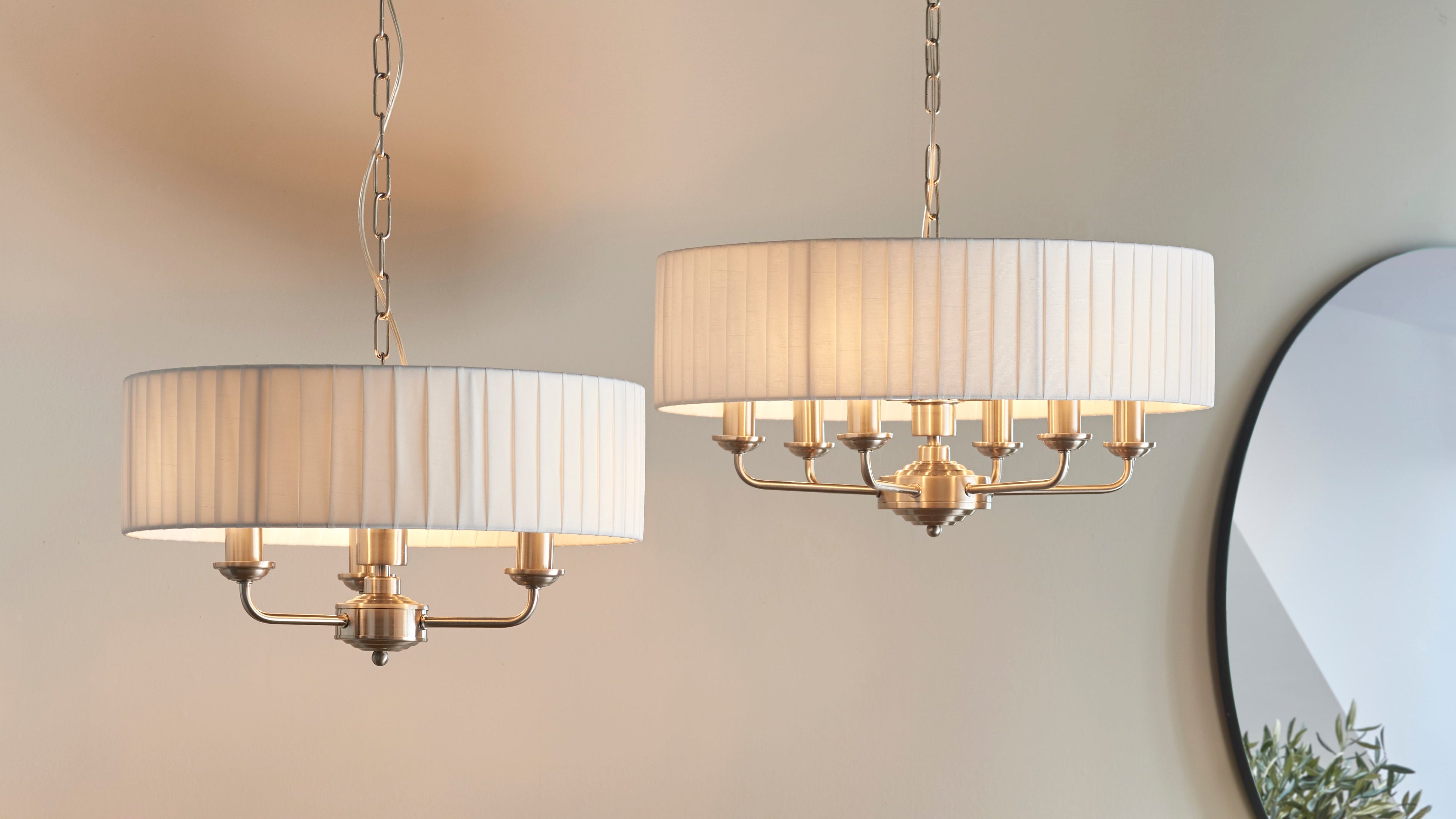
Pendant Lights
Pendant lights are a popular ceiling light choice as there are plenty of styles and colour options on the market to suit any home. Pendant lights hang down from the ceiling, either with a single light that can be used on its own or placed in a row or in multi-light pendant designs with different bulbs on a single light fixture.
They’re perfect for creating focused lighting over dining tables or kitchen islands. If you’re hanging multiple pendants over a table, be sure to space them 24-30 inches apart and hang them 30-36 inches above the table for the best look.
Pros: Stylish and versatile, you can use multiple pendants to layer lighting.
Cons: Care is needed when hanging; make sure you avoid glare or them being in the way.
Best for: Kitchens, dining rooms and hallways.
Chandeliers
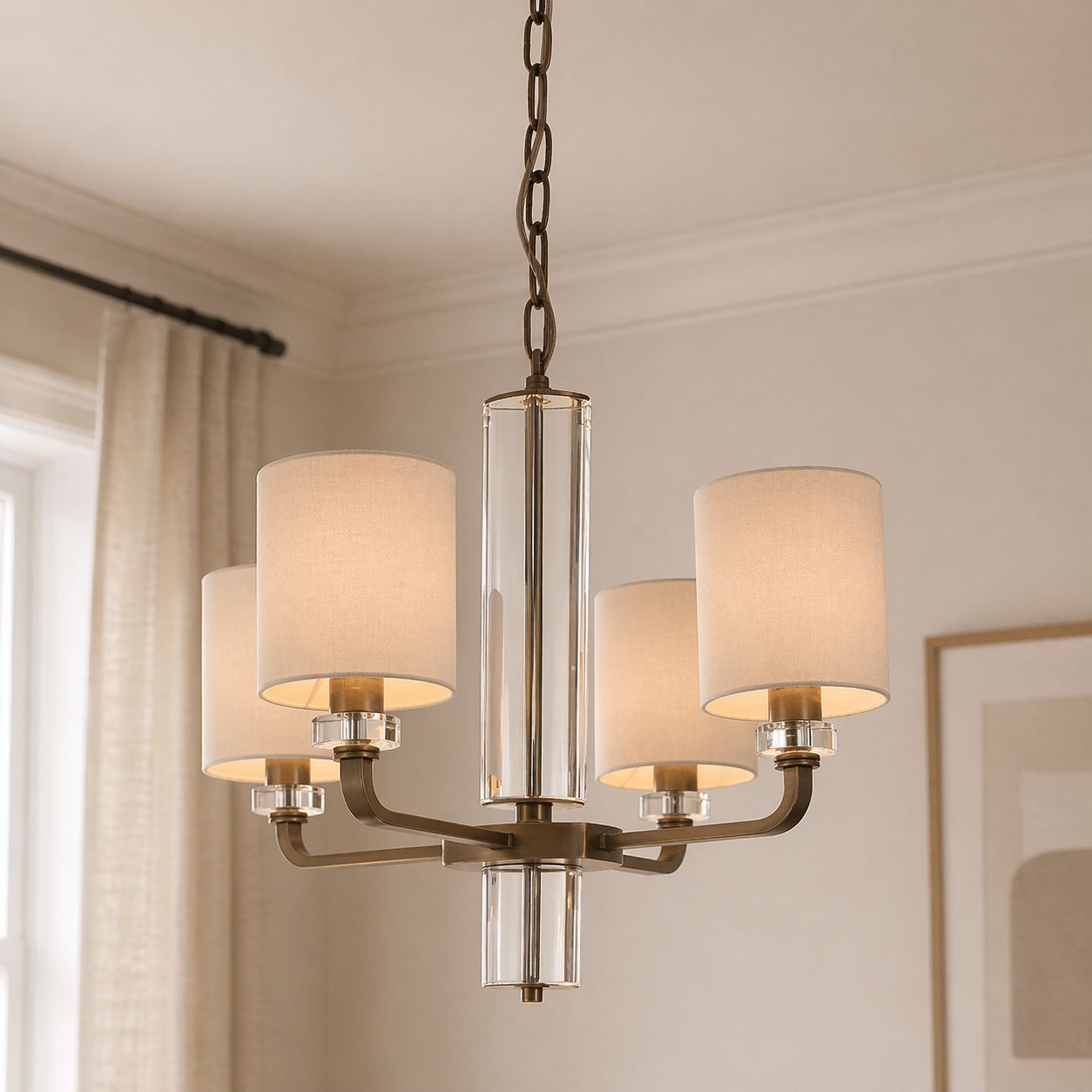
Chandeliers have multiple lights in one fixture and usually feature glass or crystal, adding elegance and timeless luxury to any room. They are available in various styles, from classic crystal designs to more modern, minimalist styles, all of which can make an eye-catching statement piece.
It is best to hang a chandelier at least 7 feet above the floor for rooms with high ceilings. Or, if you want to hang it over a dining table, ensure it is 30-36 inches above.
Pros: Elegant and timeless, chandeliers are a great focal point in any room.
Cons: They’re best suited for rooms with plenty of space.
Best for: Dining rooms, hallways, large living rooms, and rooms with high ceilings.
Flush Ceiling Lights
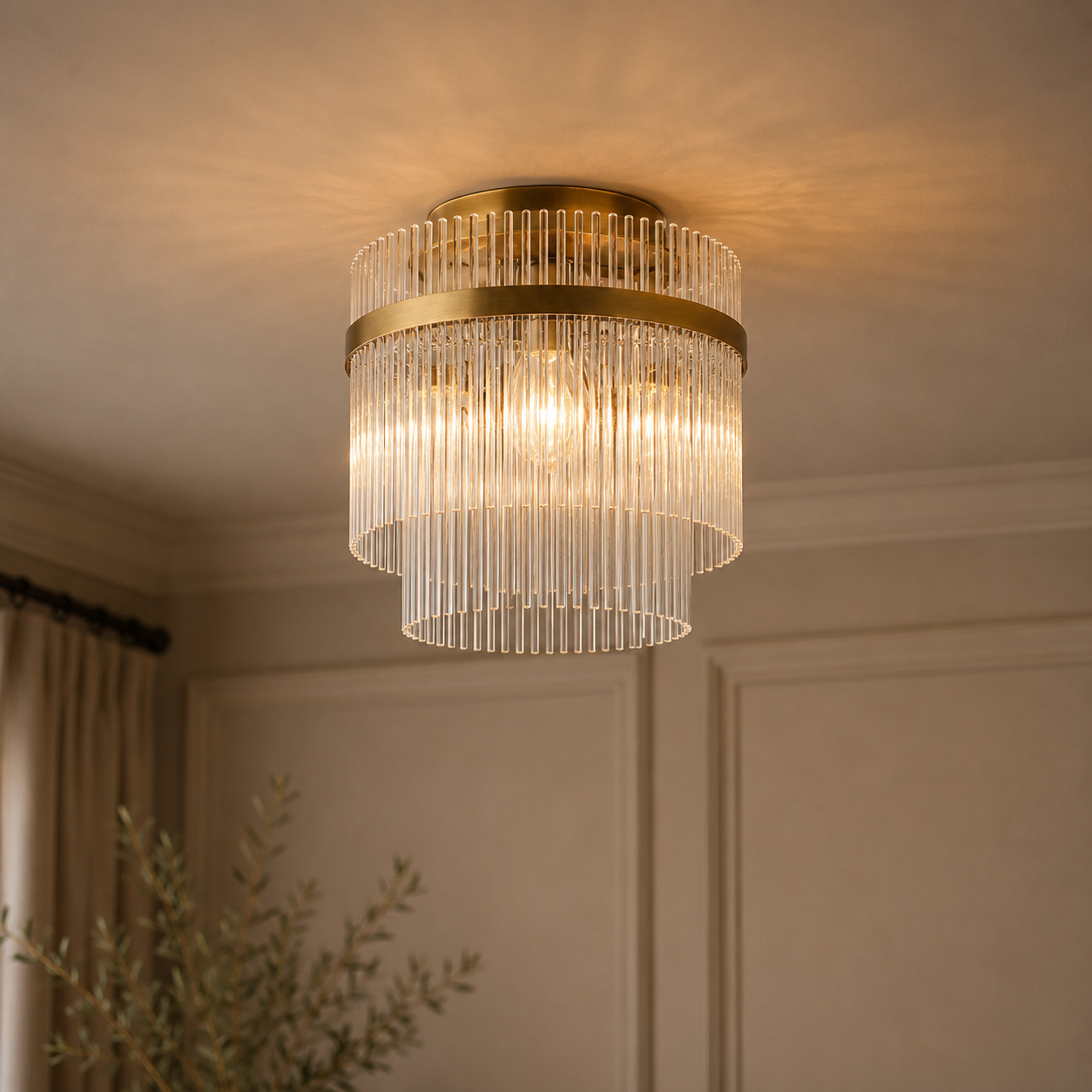
Flush ceiling lights sit closely against the ceiling without any gap, making them ideal for rooms with lower ceilings. They usually have a dome or enclosed design, diffusing light evenly across the space.
Pros: Suitable for rooms with low ceilings without compromising style.
Cons: There are not as many styles available to choose from.
Best for: Bedrooms, hallways, small dining rooms.
Semi Flush Ceiling Lights
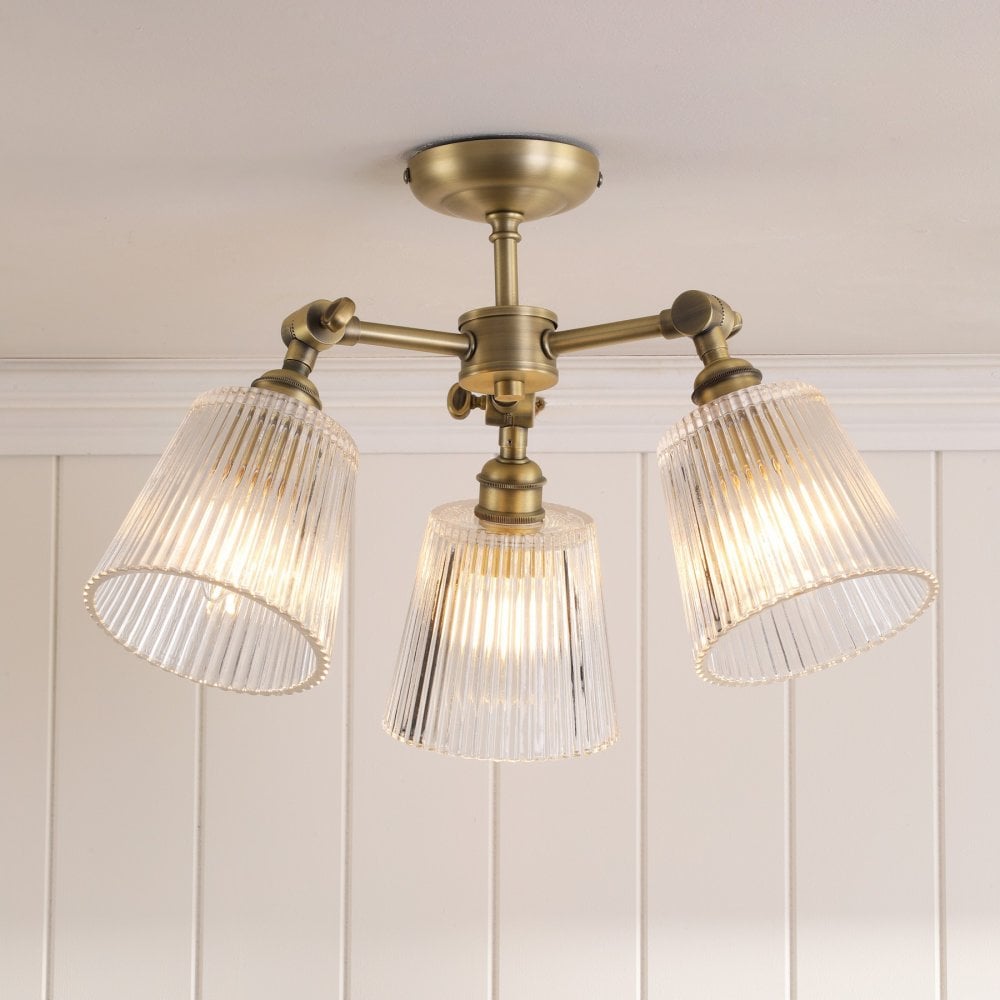
Semi-flush ceiling lights are similar in design to flush lights but hang down by a few inches, allowing for more design flexibility. They can be a stylish alternative to flush lights while still being suitable for lower ceilings.
Semi-flush lights are best suited for 8 to 10-foot ceilings. Lower than that may require flush mounts, while higher ceilings can accommodate chandeliers or pendant lights.
Pros: They offer a more decorative look than flush mounts while still being space-efficient.
Cons: They may not be suitable for very low ceilings.
Best for: Bedrooms, hallways, small dining rooms.
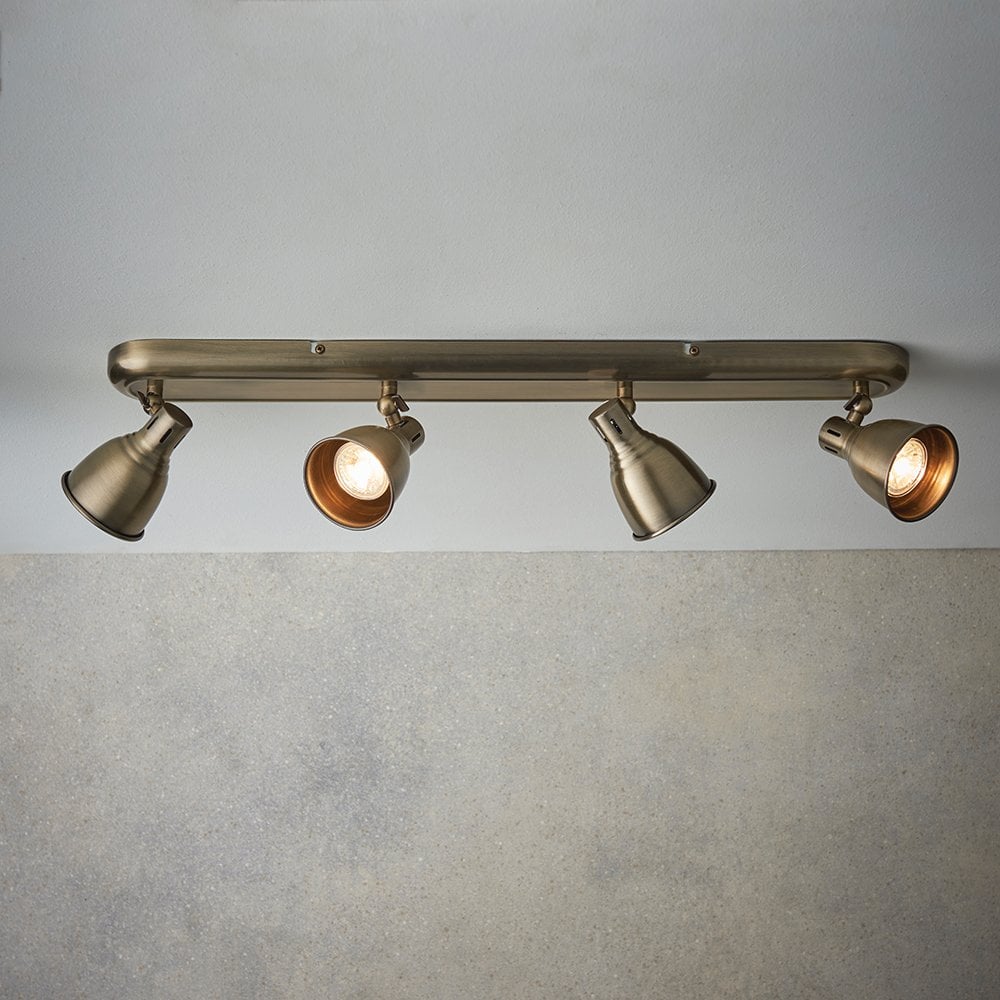
Track Lighting
Track lights have multiple adjustable light heads mounted on a single track system. Unlike traditional fixtures, which are fixed to one location, track lights can be moved, angled, and adjusted along the track to highlight different room areas.
Pros: Adjustable lighting direction, great for task or accent lighting.
Cons: Can look industrial and may not be good at providing even light coverage.
Best for: Kitchens or home offices.
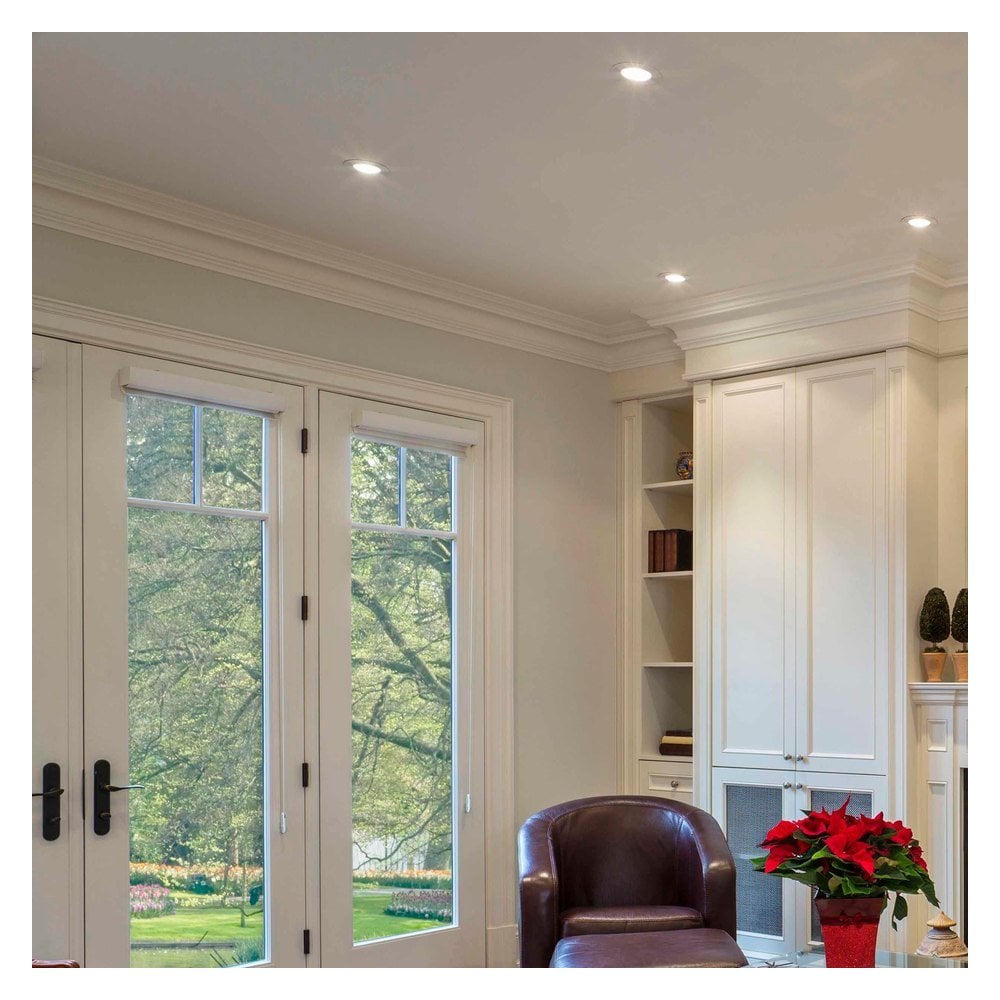
Recessed Lighting
Recessed lights fit inside the ceiling, with only the top of the light visible, providing a clean, modern look and are great for general lighting in spaces like kitchens or kitchen diners.
Pros: Sleek and unobtrusive, great for even lighting.
Cons: Requires professional installation and can be difficult to replace.
Best for: Kitchens, bathrooms, hallways.

Lanterns
Lantern ceiling lights have open or glass-enclosed frames and are suspended by a chain.
Inspired by the vintage styles, there are plenty of more modern-look lanterns on the market that still have a timeless and elegant look. Originally used in outdoor or entranceway settings, they are now popular for hallways or porches.
Pros: Classic and stylish, providing a warm and inviting ambience.
Cons: May need more frequent dusting or cleaning due to large glass panels.
Best For: Porches, hallways, dining rooms, and kitchens.
How to choose a ceiling light
When you’re choosing a ceiling light, consider the following factors to make sure it fits in seamlessly to your room.
Room size and ceiling height
The size of your room will factor in your decision to choose a ceiling light. If you have a smaller space, you don’t want your light to overpower the space, or if you have low ceilings, lower-hanging lights might come with a risk of bumping your head.
Low Ceilings
Opt for flush or semi-flush mounts to maximise headroom.
High Ceilings
Chandeliers, pendant lights, and large statement pieces work well.
Small Rooms
Avoid oversized lights that can overwhelm the space.
Large Rooms
Use multiple lights or layered lighting to ensure adequate illumination.
How do I choose the right size ceiling light?
To get a ceiling light that suits your space, consider the width of the light and how long it will hang:
To work out the ideal diameter that your light fixture needs to be, follow this equation:
Room width (feet) + Room length (feet) = Fixture diameter (in inches)
As an example, a 12′ x 14′ room needs a light fixture around 26 inches in diameter.
Ceiling Height
8ft
9ft
10ft
11ft+
Drop in Inches
12"
18"
24"
36"+
Type of Light
Flush Lighting
Flush & Semi Flush Lights
Pendant or Chandelier
Pendant or Chandelier
Your ceiling light should be the perfect finishing touch and complement your decor. You can also try matching the colour of your ceiling light to your door hardware or light switches for a cohesive look.
- Modern interiors: Sleek pendants or minimalist track lighting.
- Traditional decor: Chandeliers, flush mount fixtures, tiffany-style lights.
- Industrial style: Metal or exposed bulb lanterns or pendant lights.
Light temperature & Lumens
When deciding on light temperature and lumens for ceiling lights, there are a few key factors to consider based on the atmosphere and functionality you want to create.
Light temperature relates to the colour of the bulb, which is important in setting the right atmosphere for a room. This is especially important in LED-integrated lights as you won’t have control over choosing the light bulb colour.
- Warm white: Cosy and inviting for living rooms, bedrooms, and dining areas.
- Cool white: Mix of warmth and brightness, making it a more versatile choice for kitchens, bathrooms, and offices.
- Daylight: Creates a bright, crisp light that simulates daylight. It is ideal for task lighting in areas like kitchens, workspaces, and garages.
Lumens measure a light bulb’s brightness. The higher the number of lumens, the brighter the light will be. The amount of lumens you need for a room depends on its size and purpose. For example, you’ll need brighter light in kitchens and bathrooms.
Learn more about how much light you need for your room in our handy guide.

Shop stylish ceiling lights from Cp Lighting
Choosing the right ceiling light can transform the look and feel of your home. By considering factors like ceiling height and style, you’ll find the perfect fixture that balances style and practicality and sets the right atmosphere for your space.
Are you looking for a new ceiling light to complete your space? Explore our wide range of ceiling lights from sought-after brands and find the ideal match for your home today.