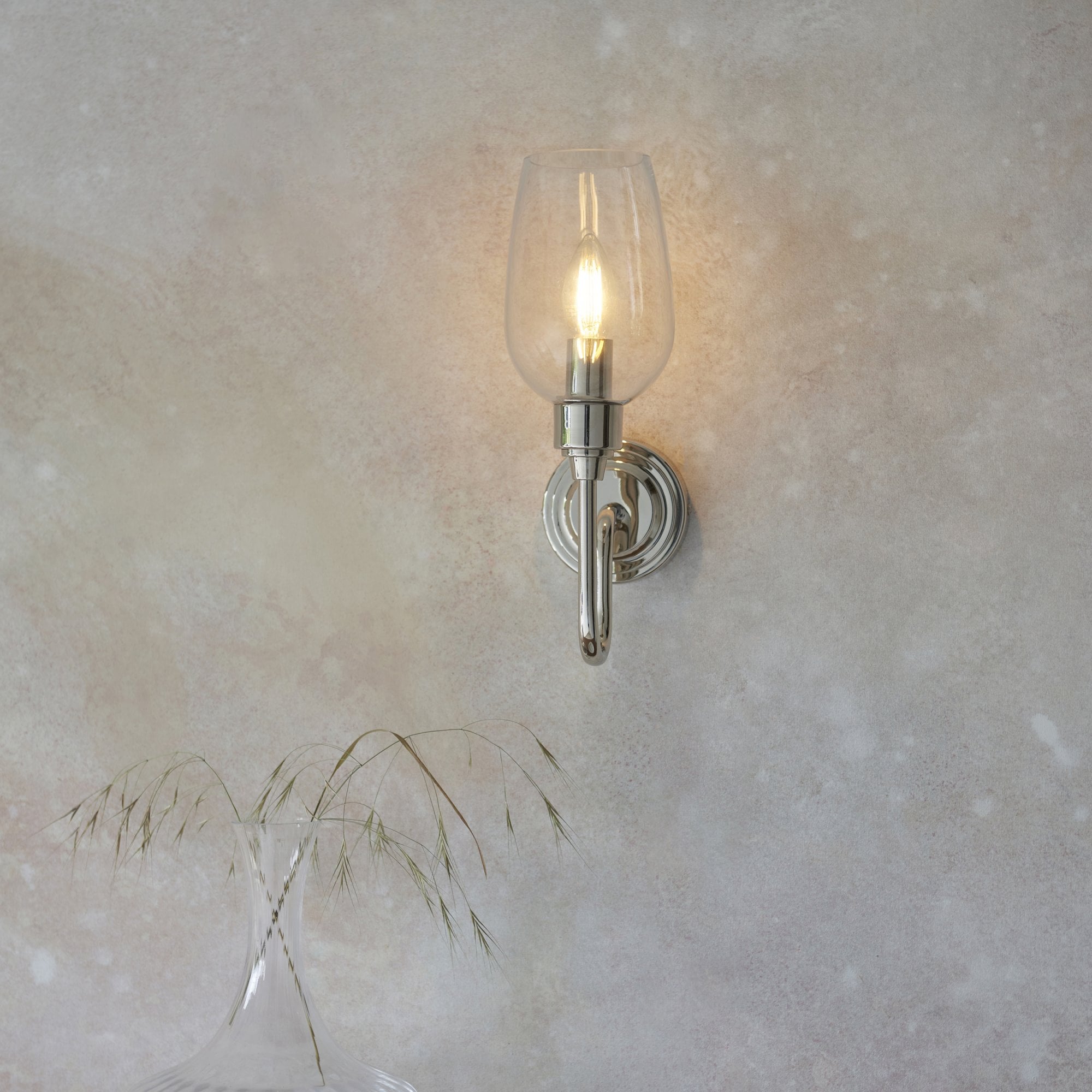
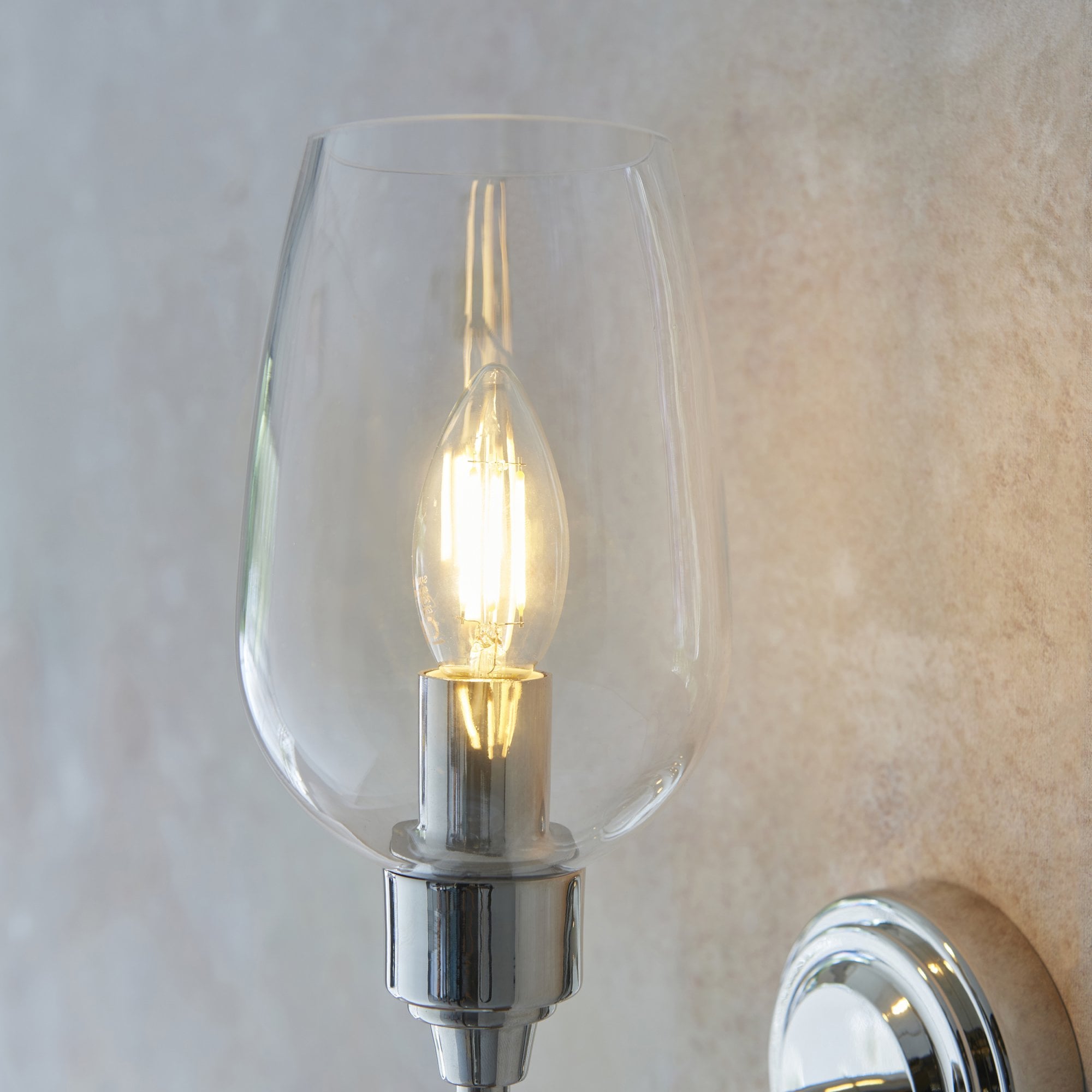
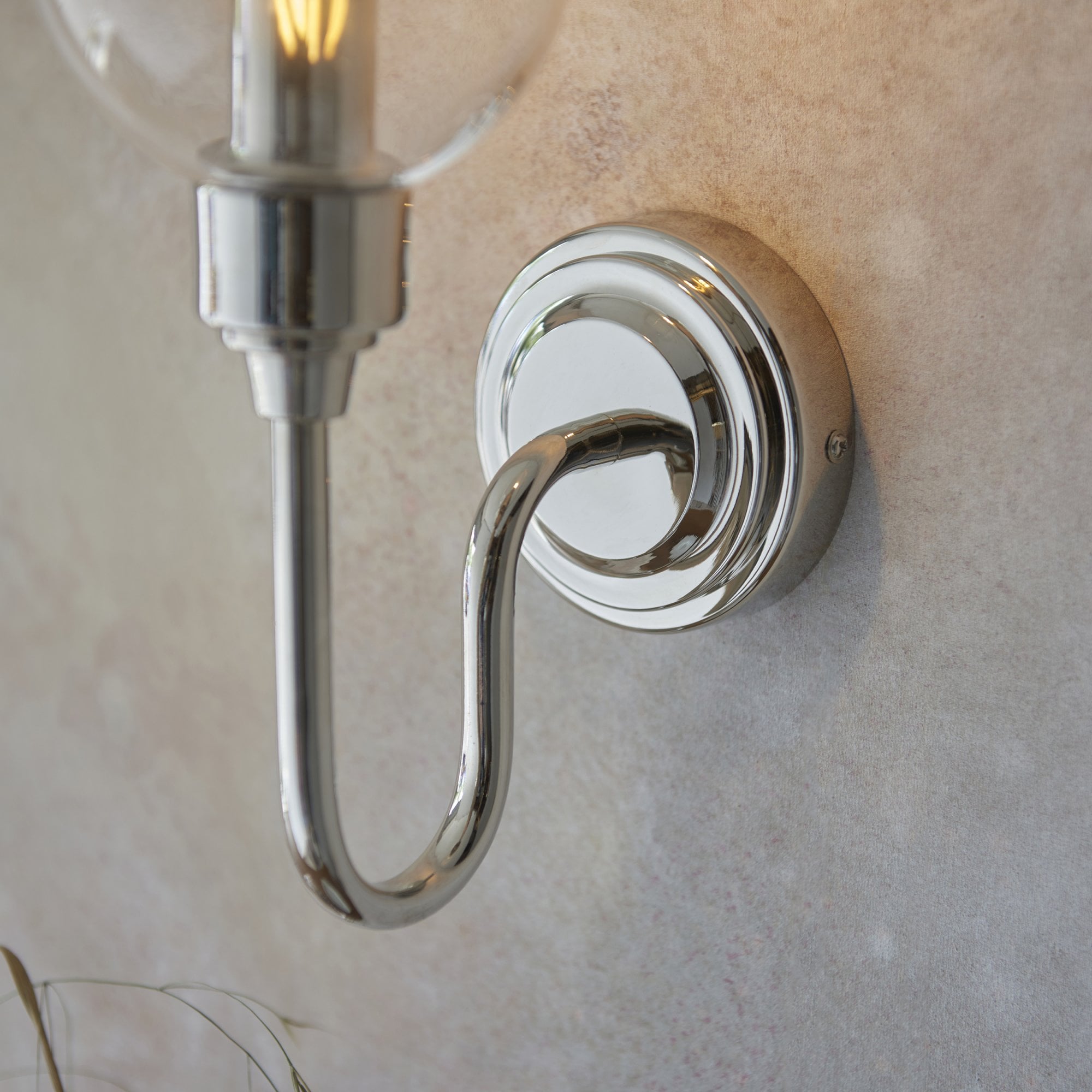
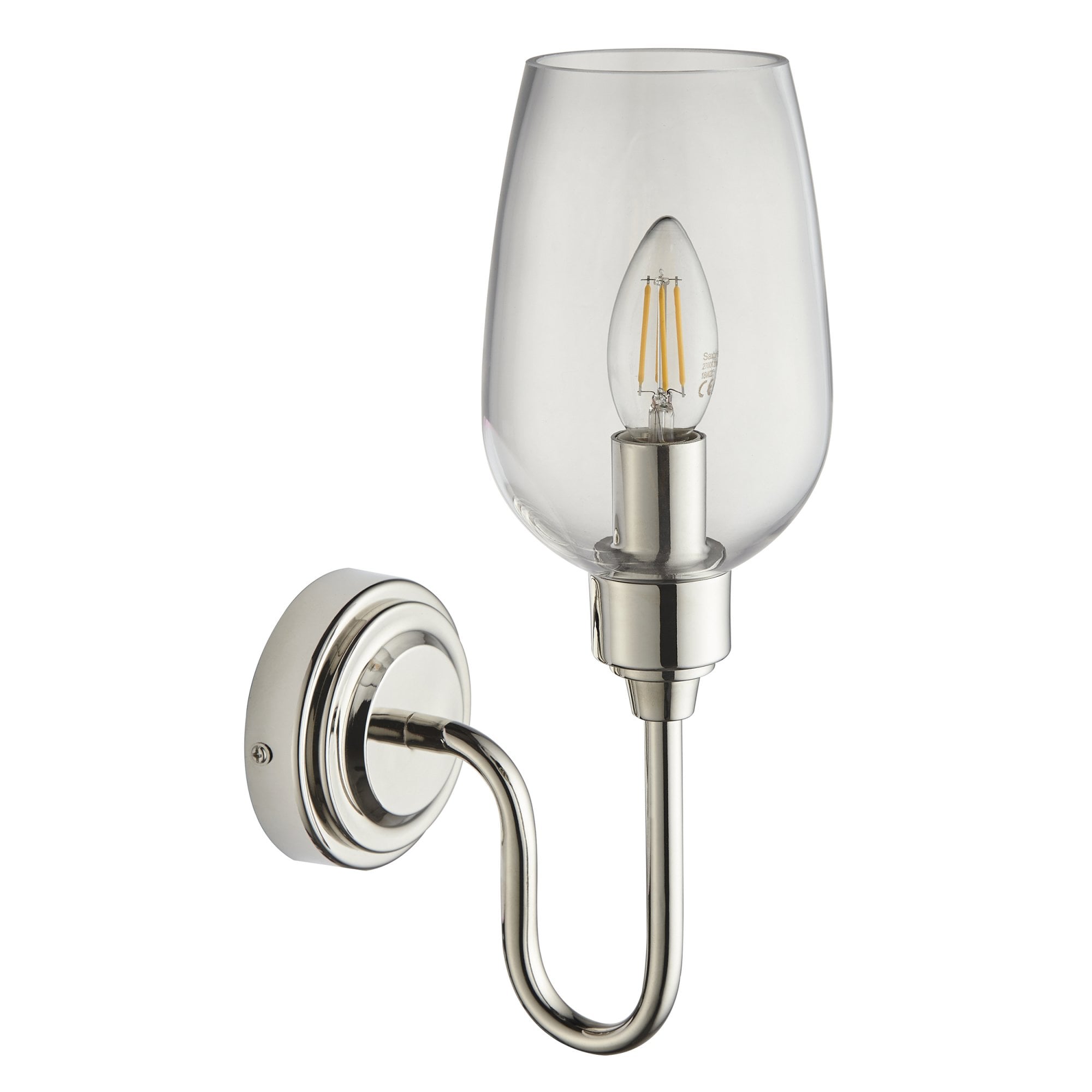
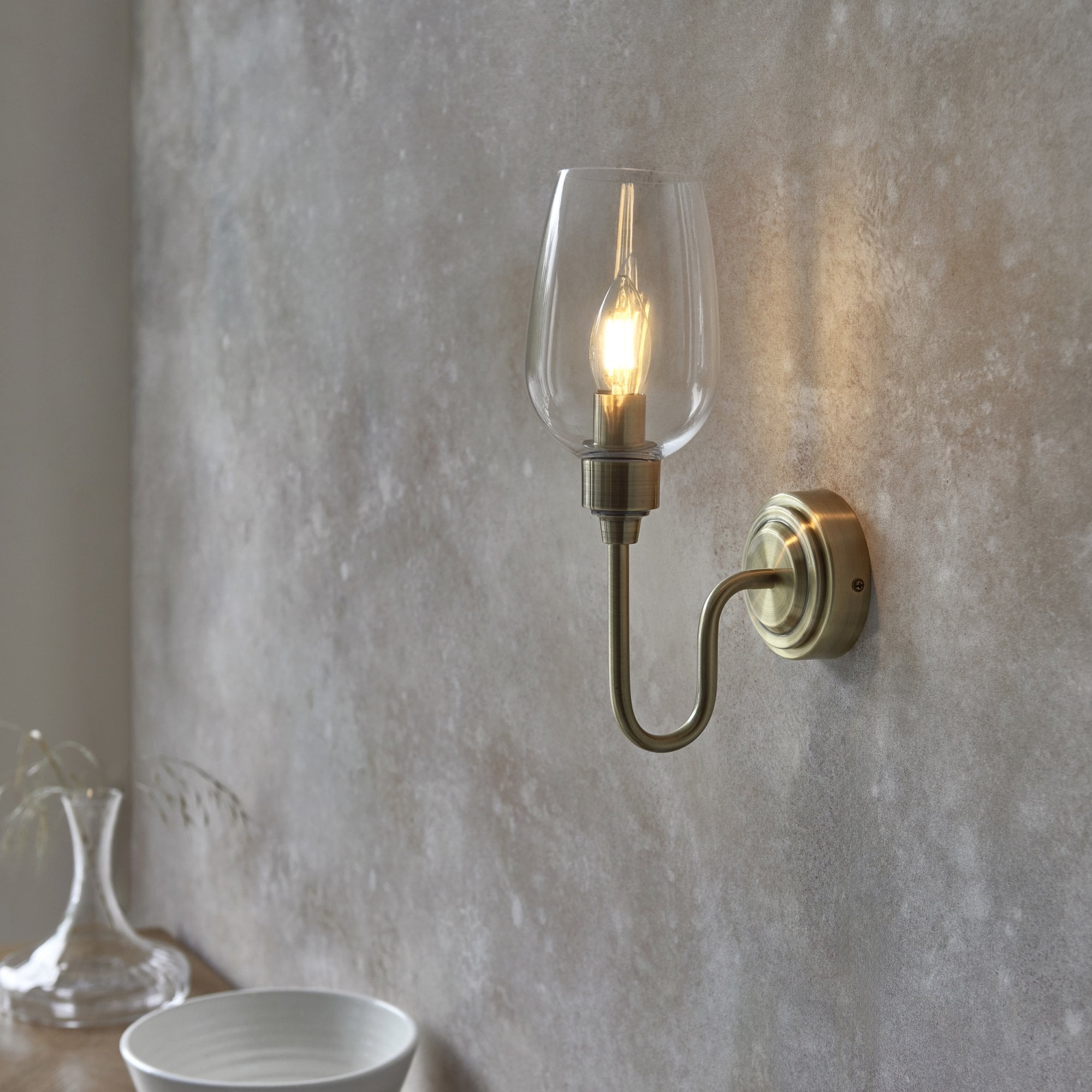
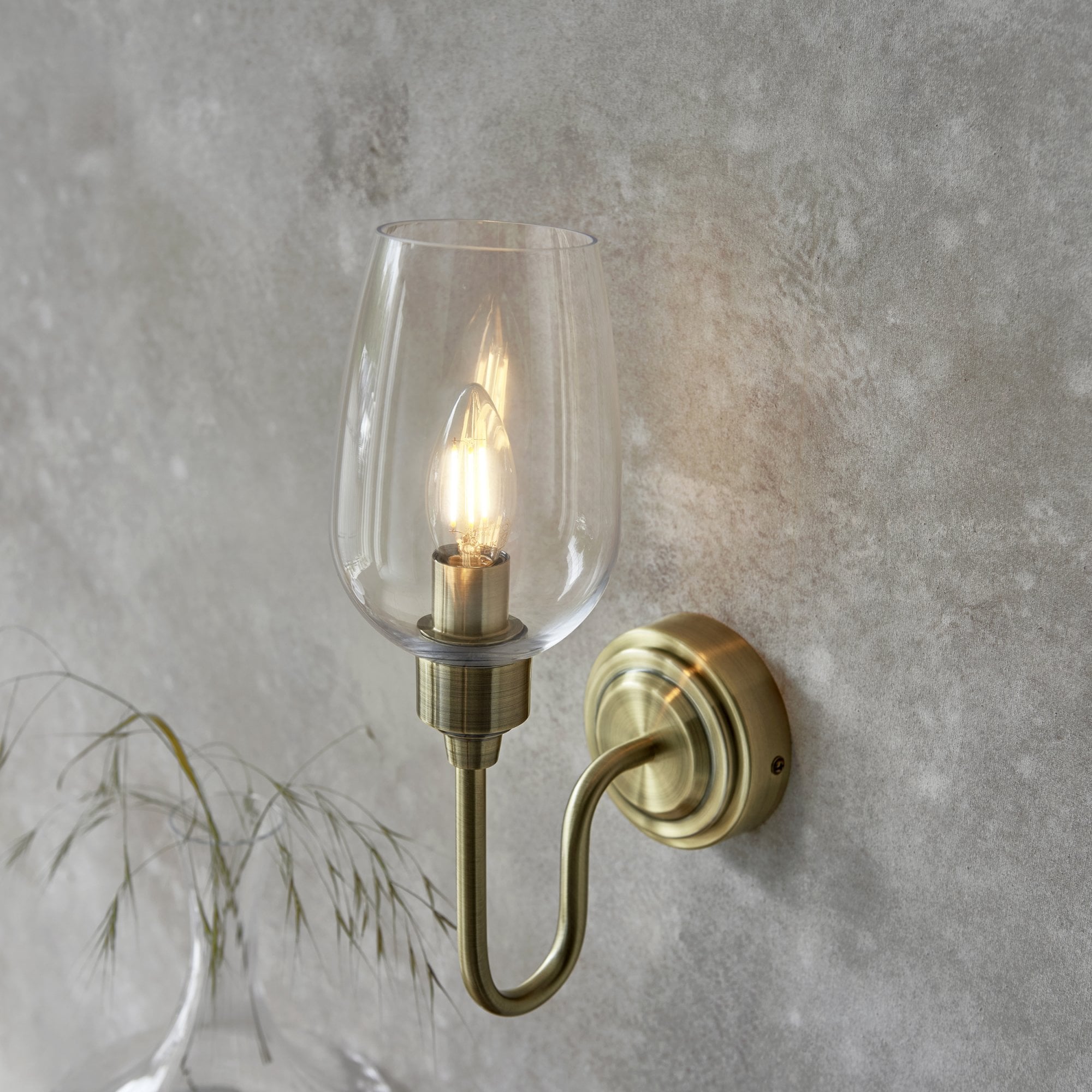
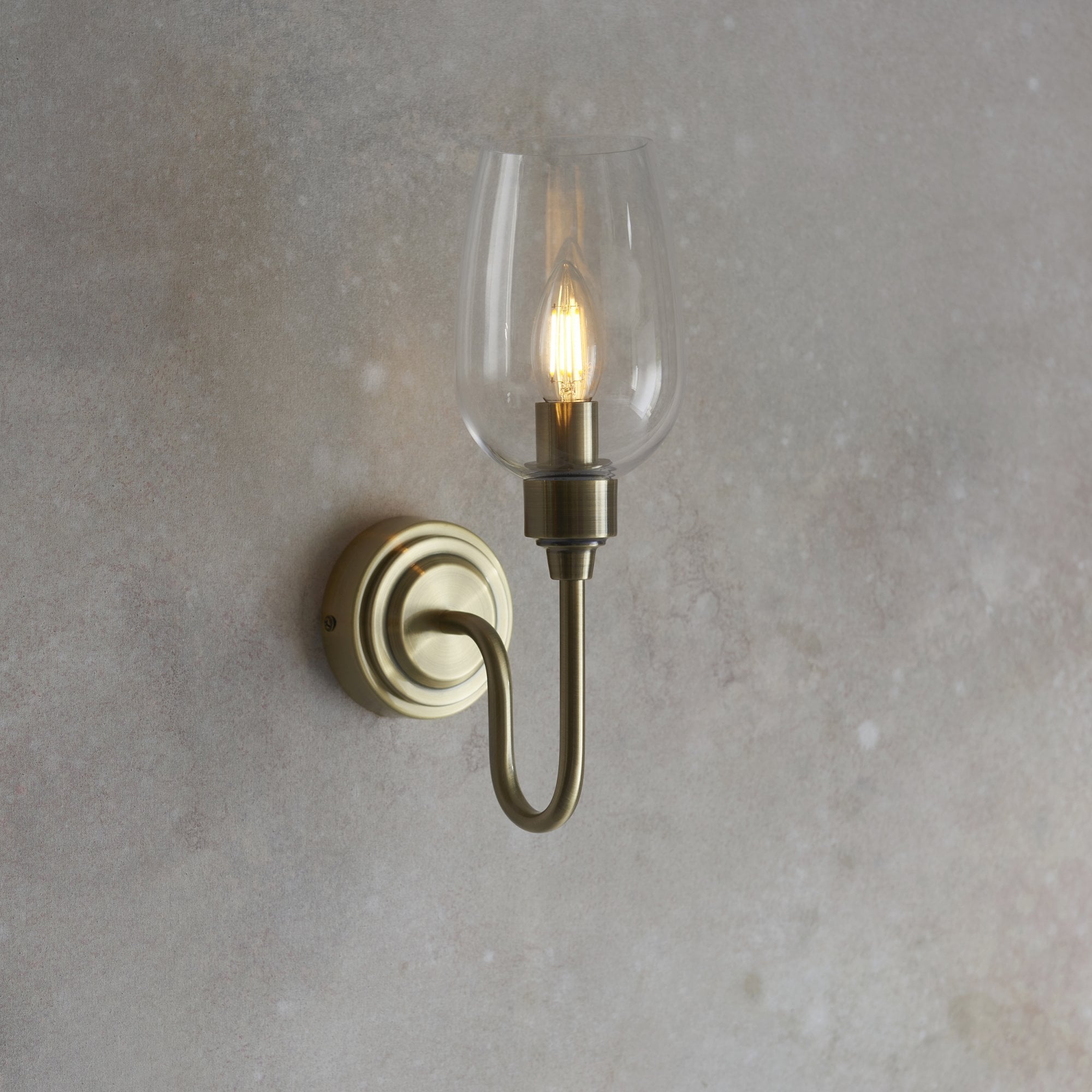
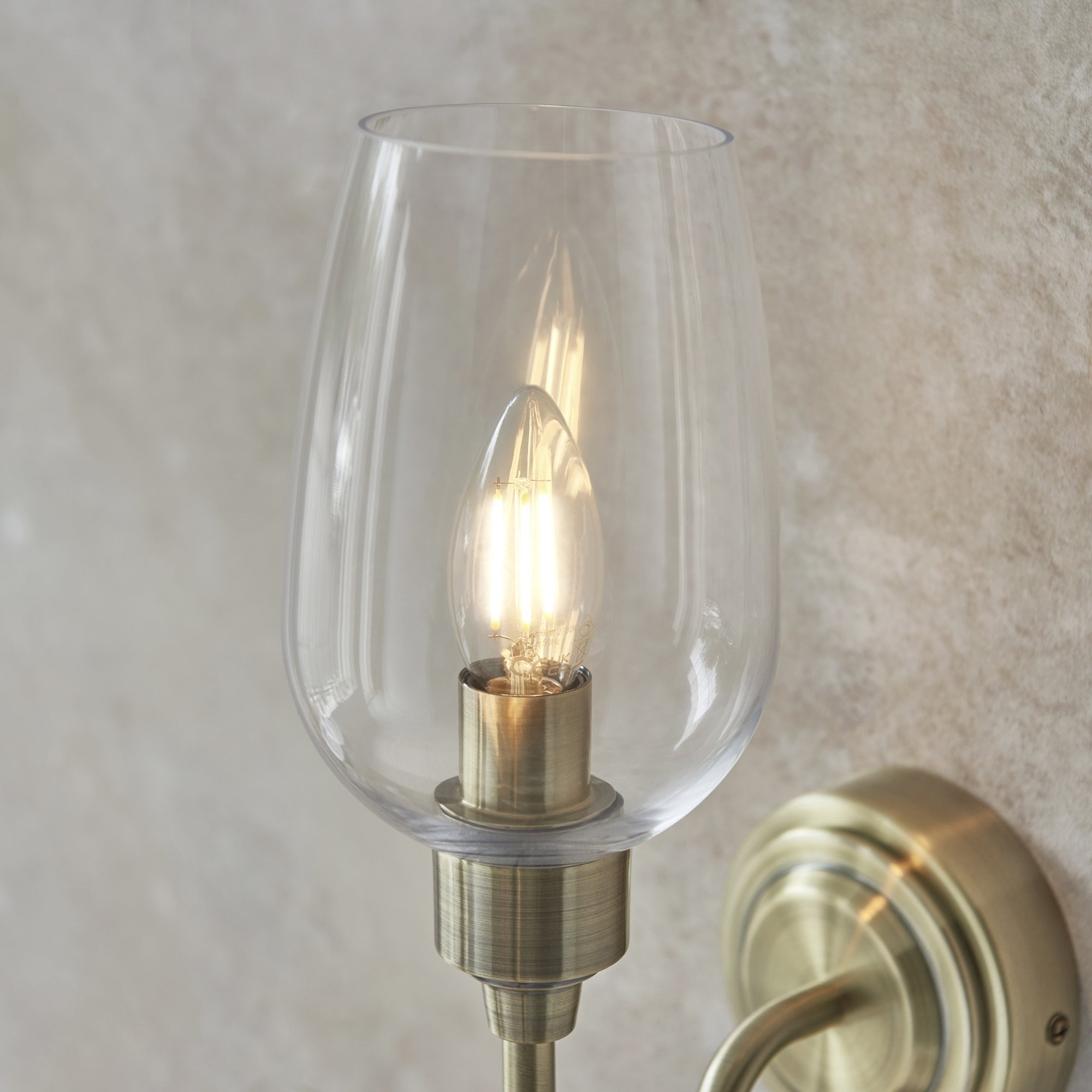
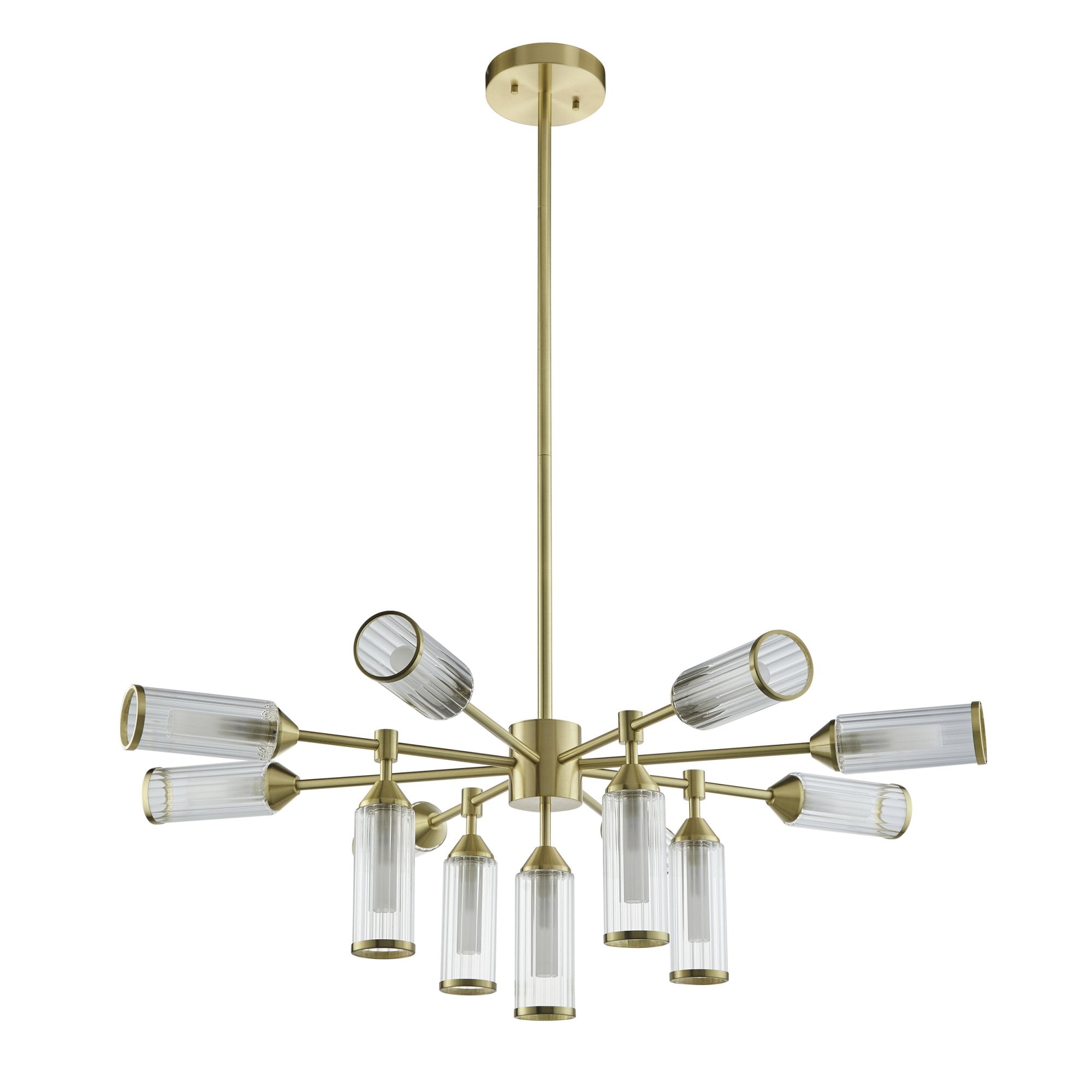
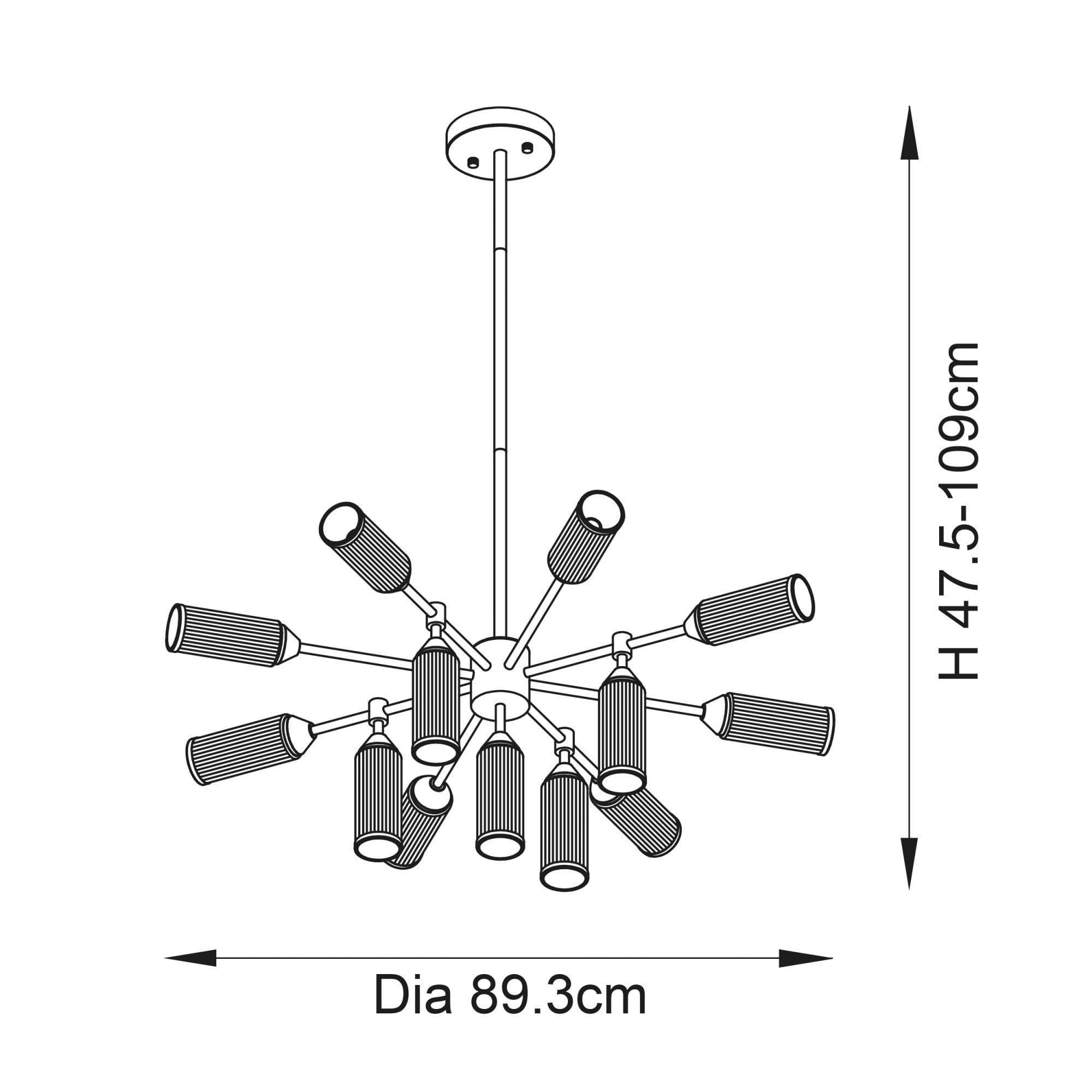
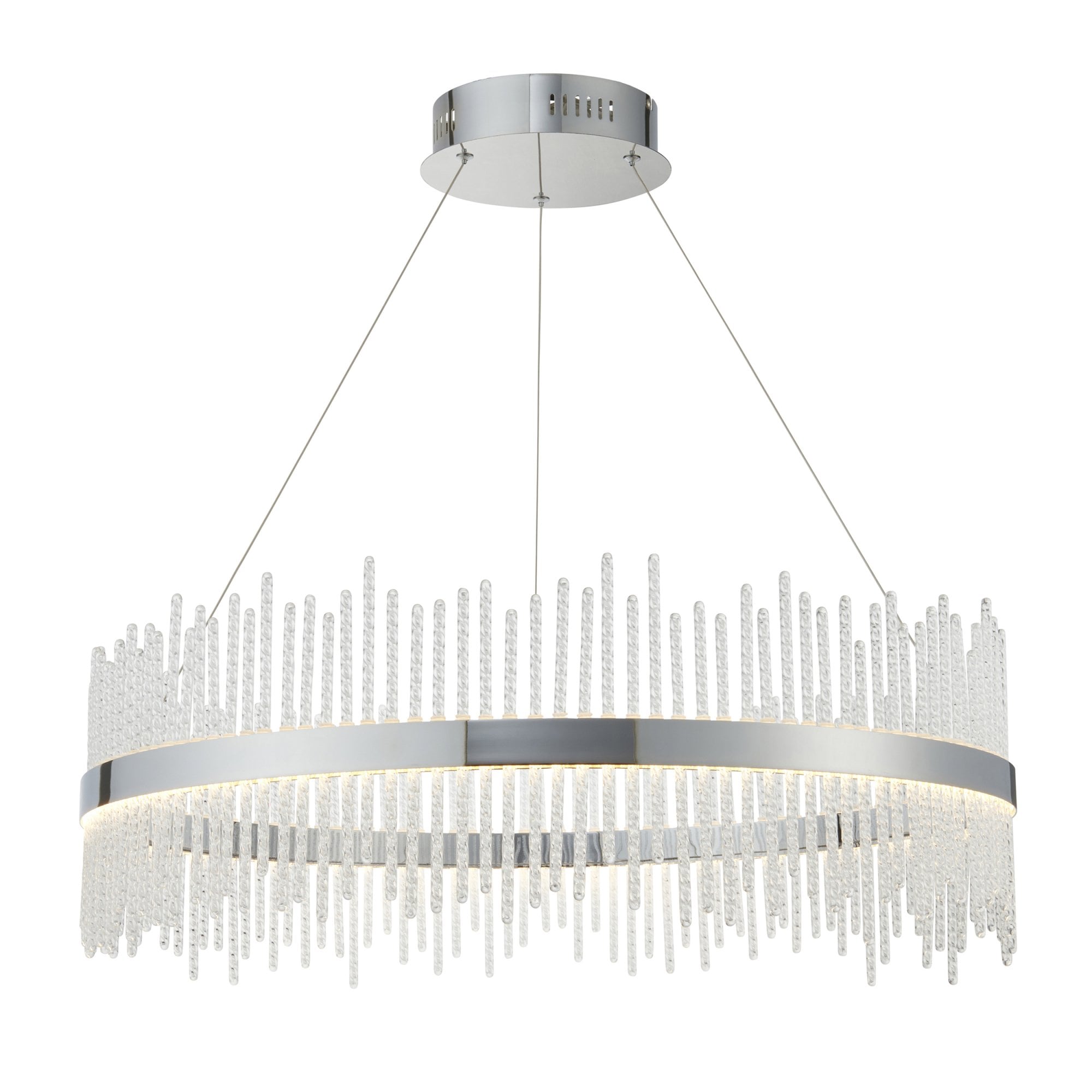
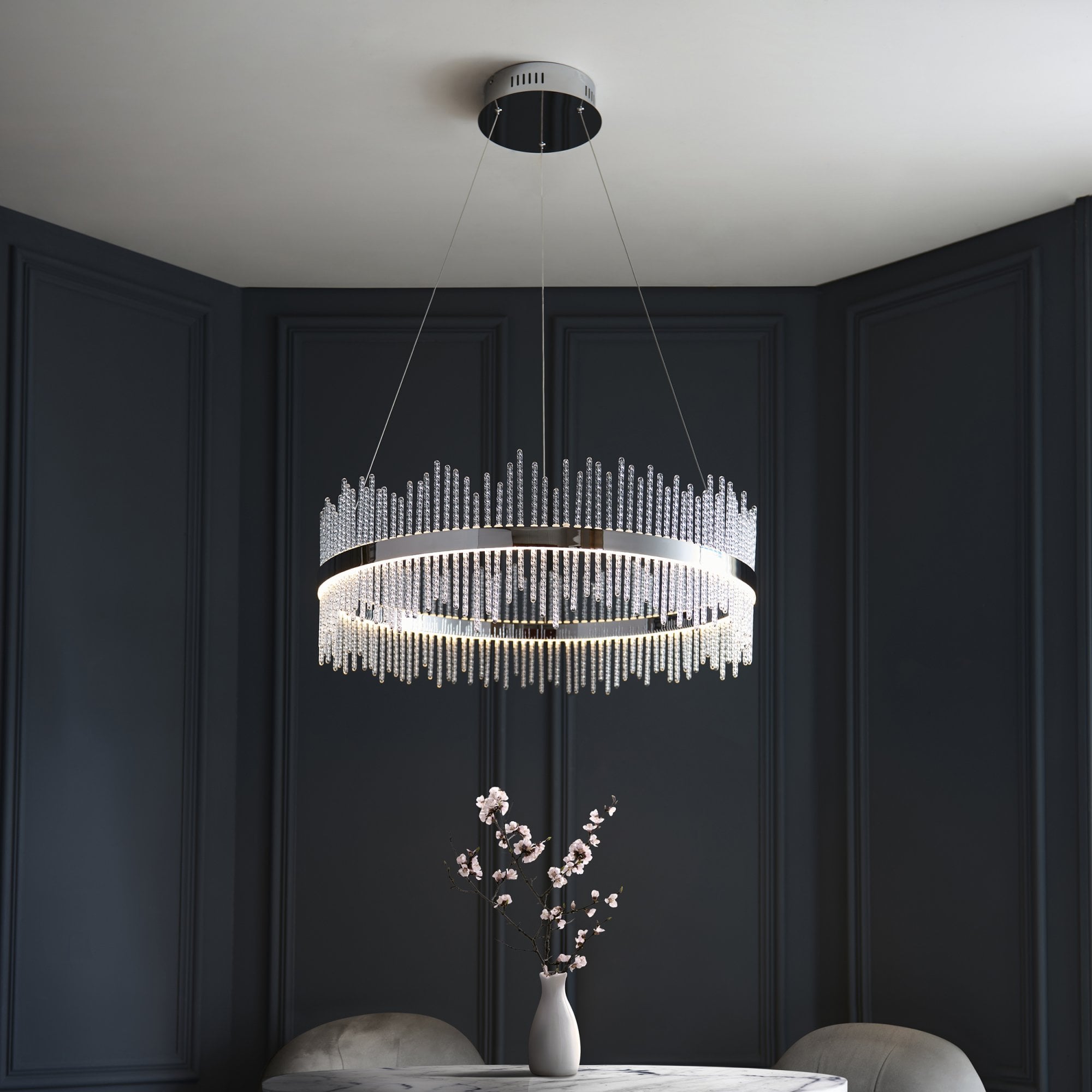
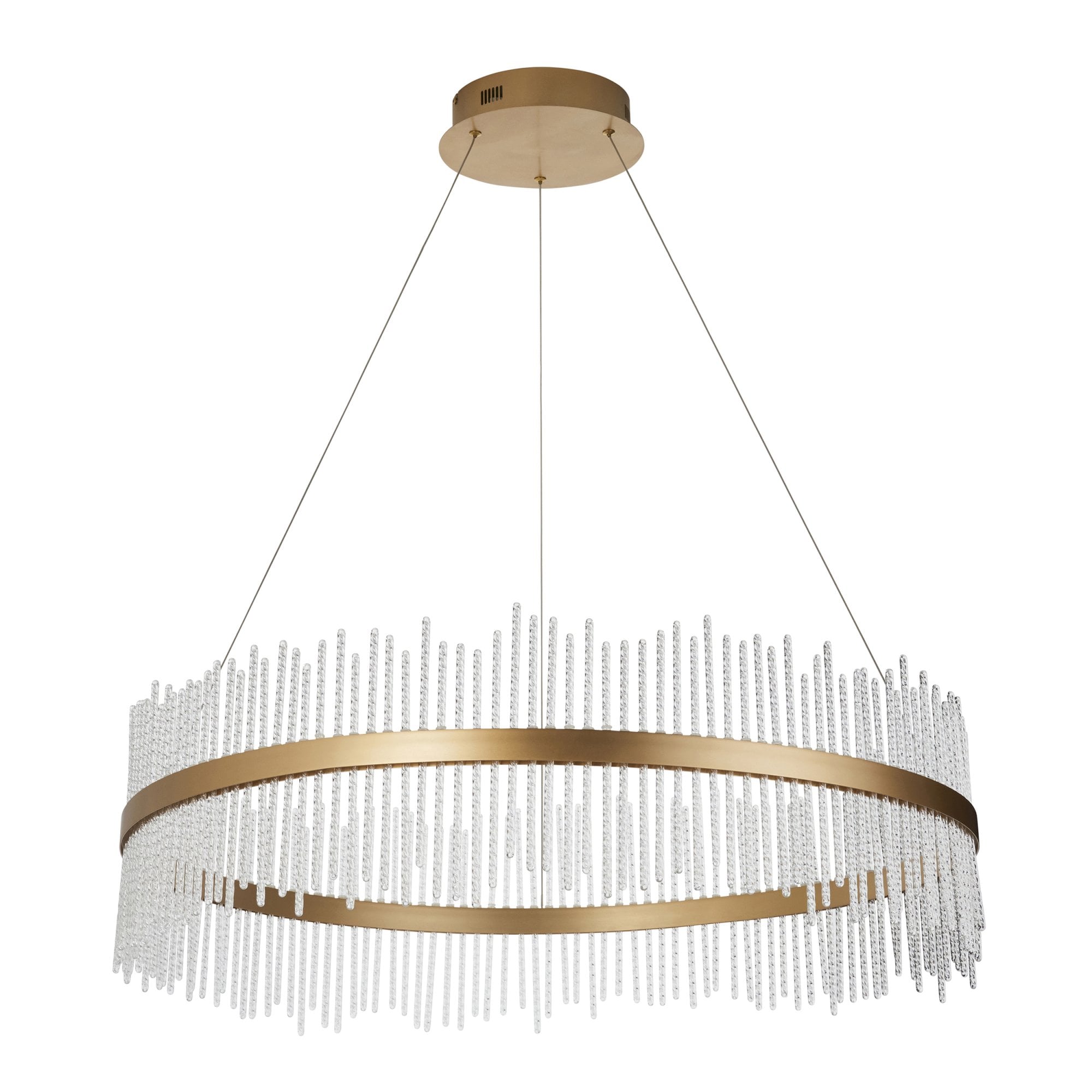
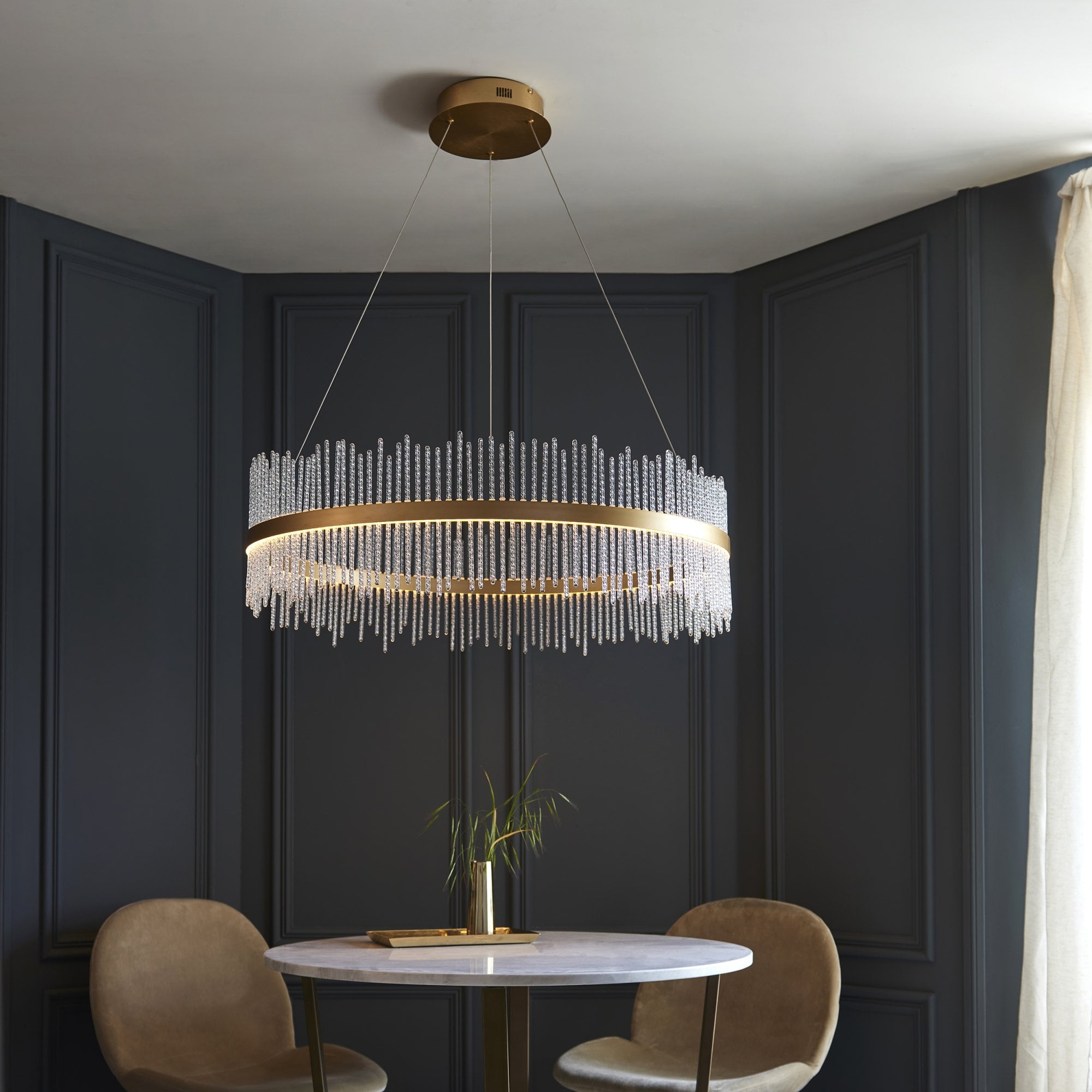
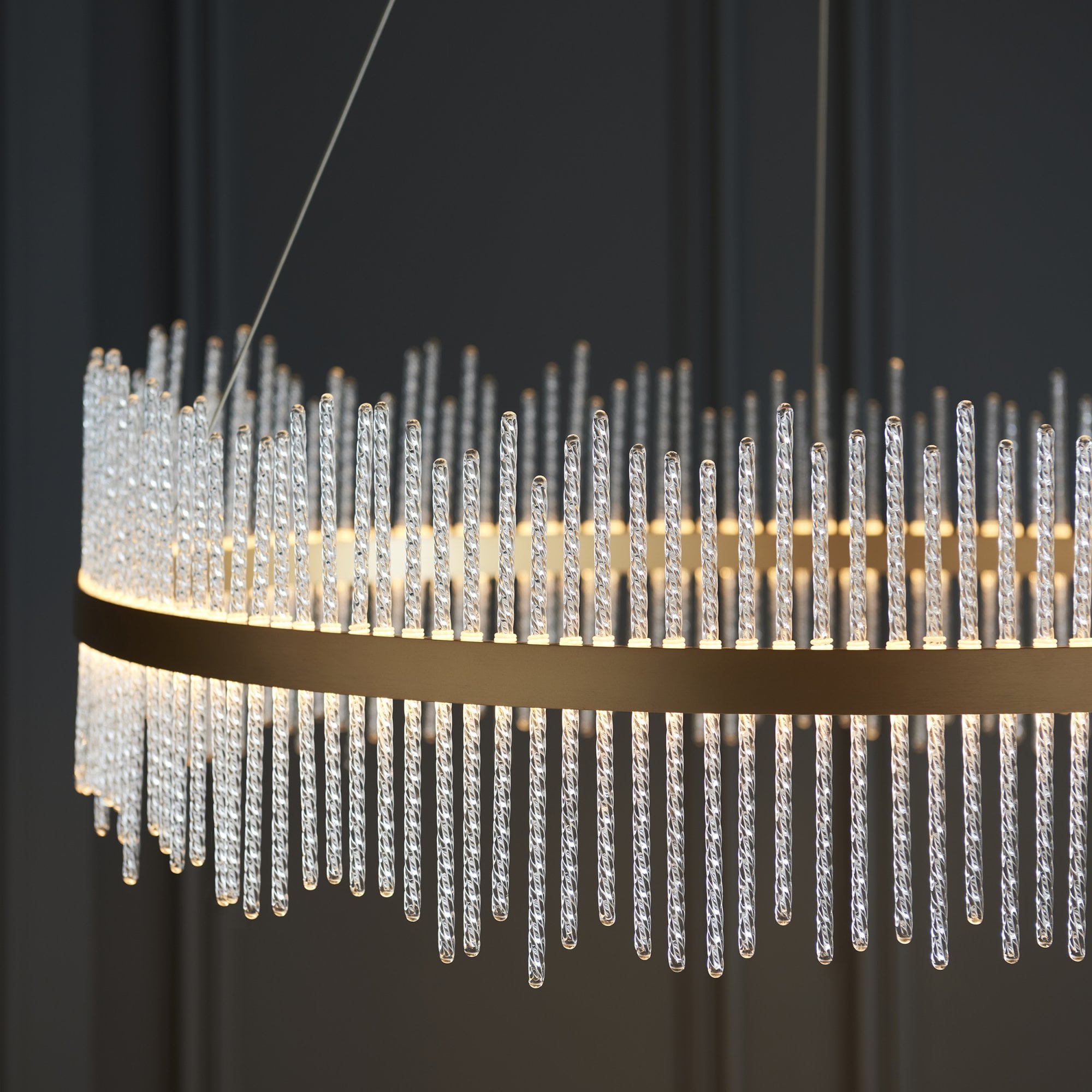
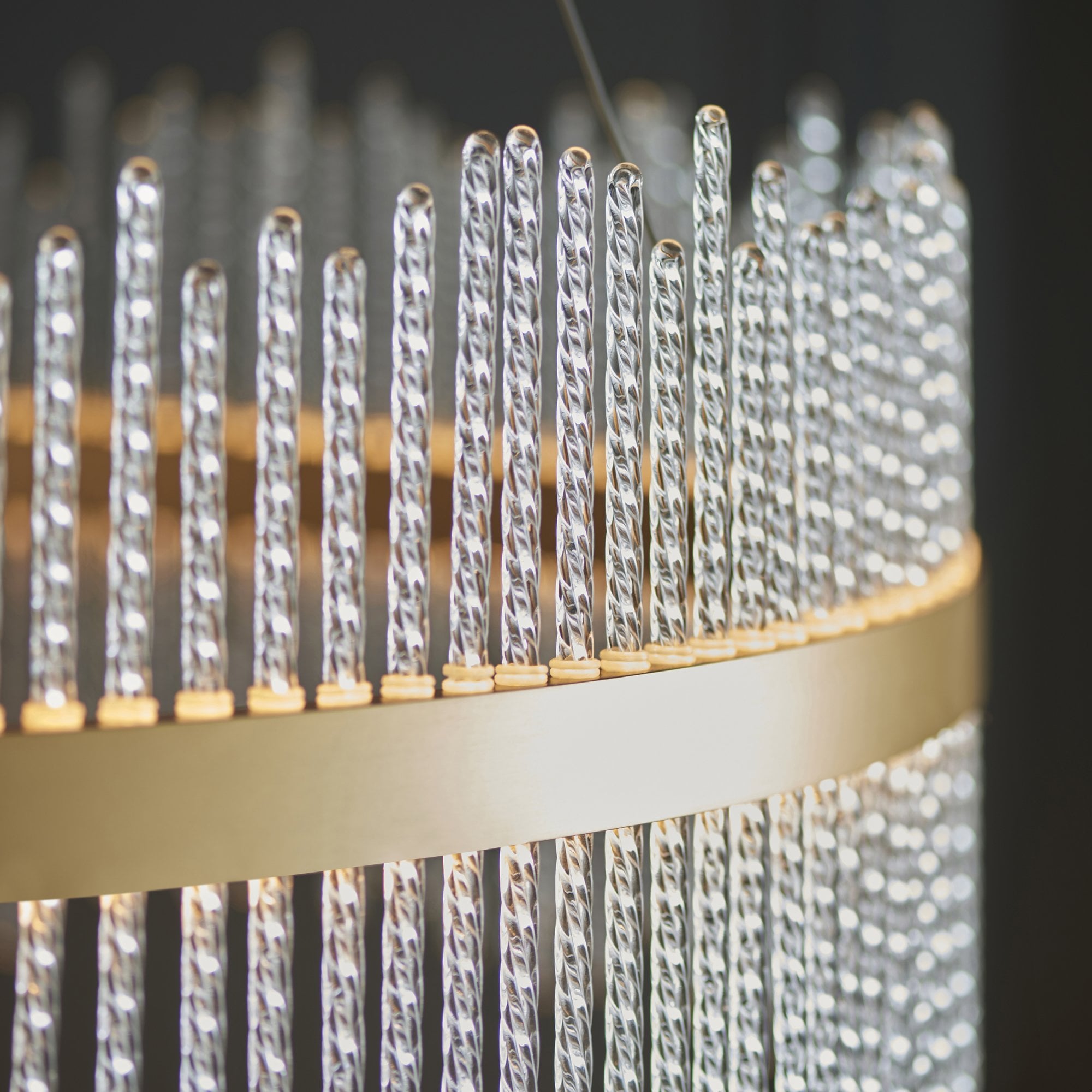
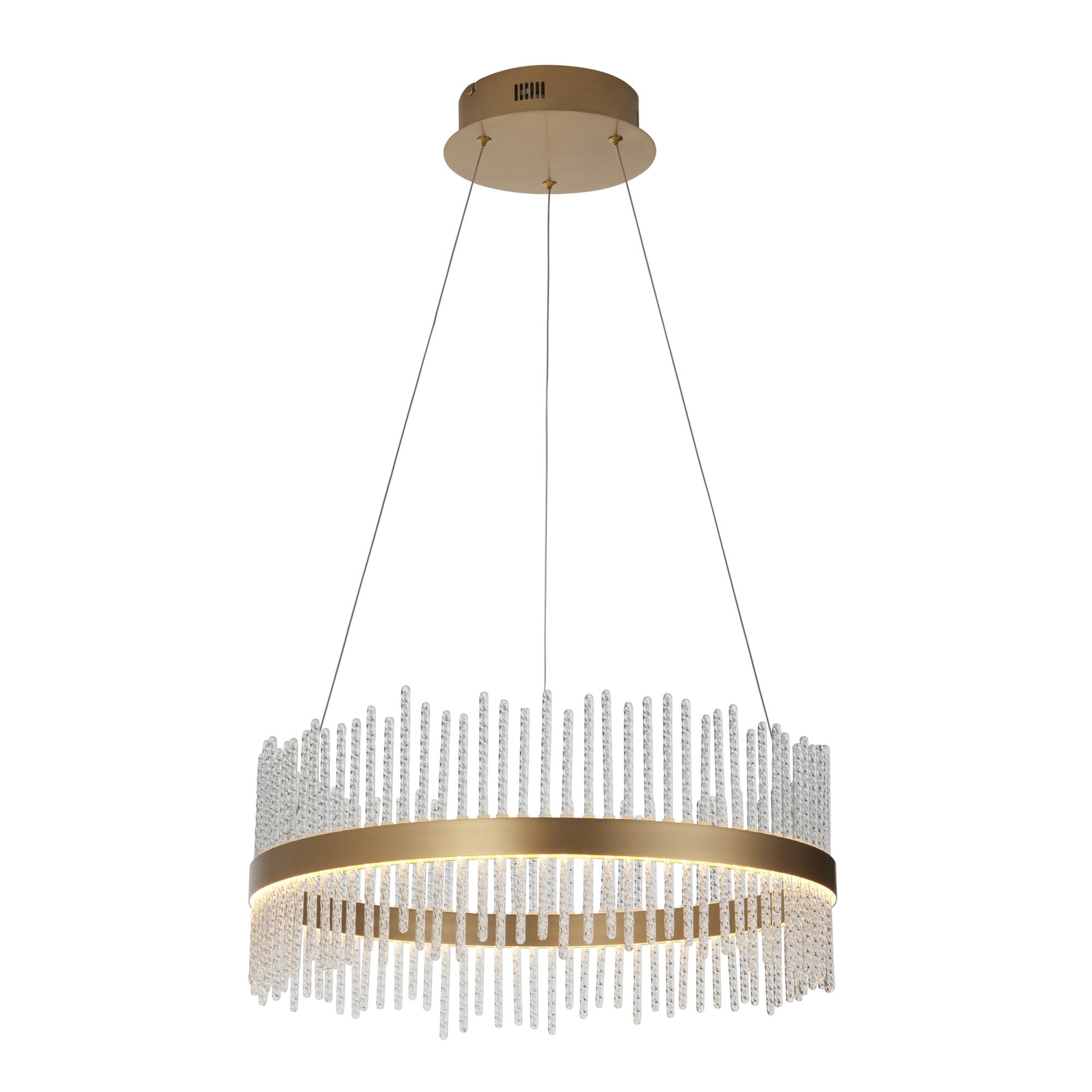
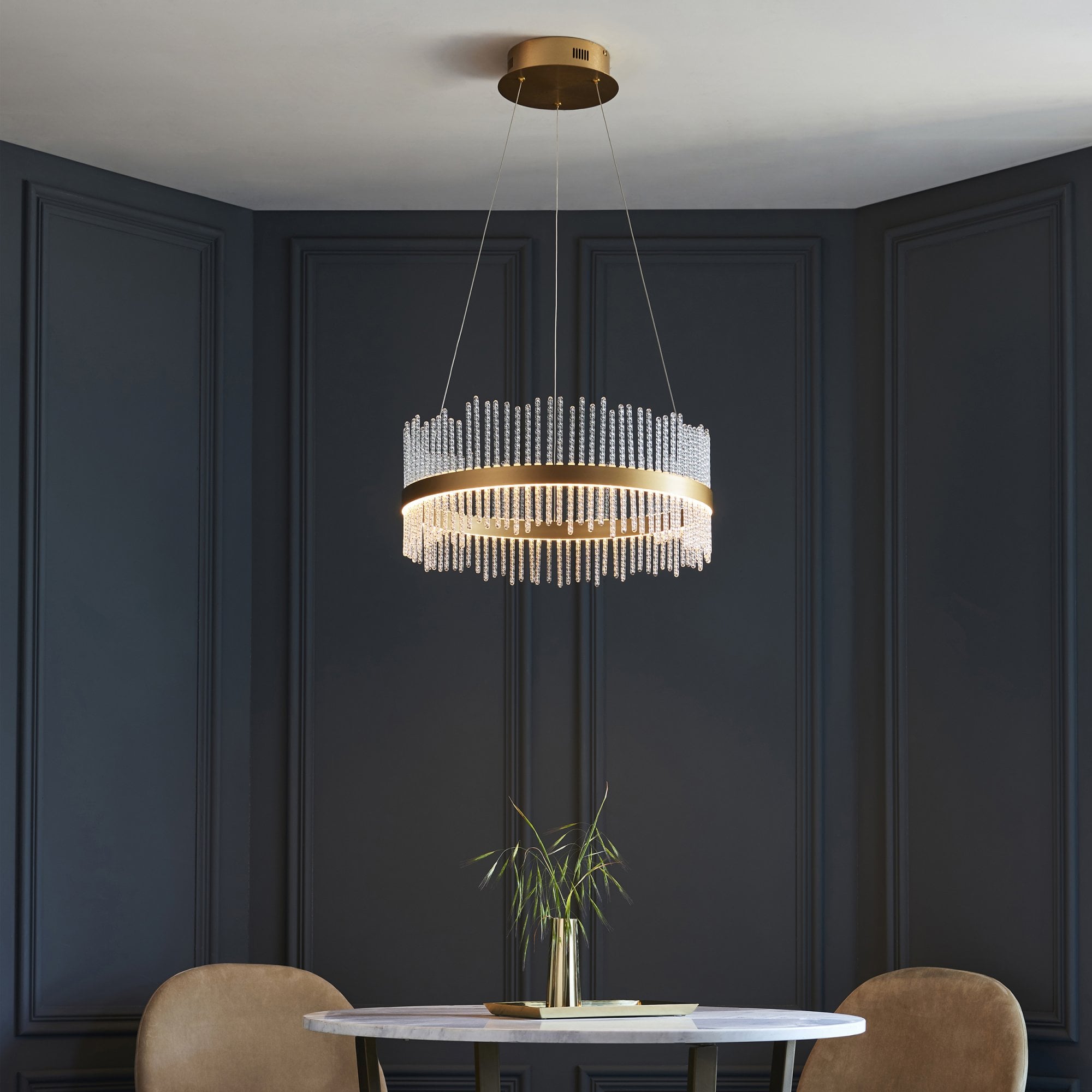
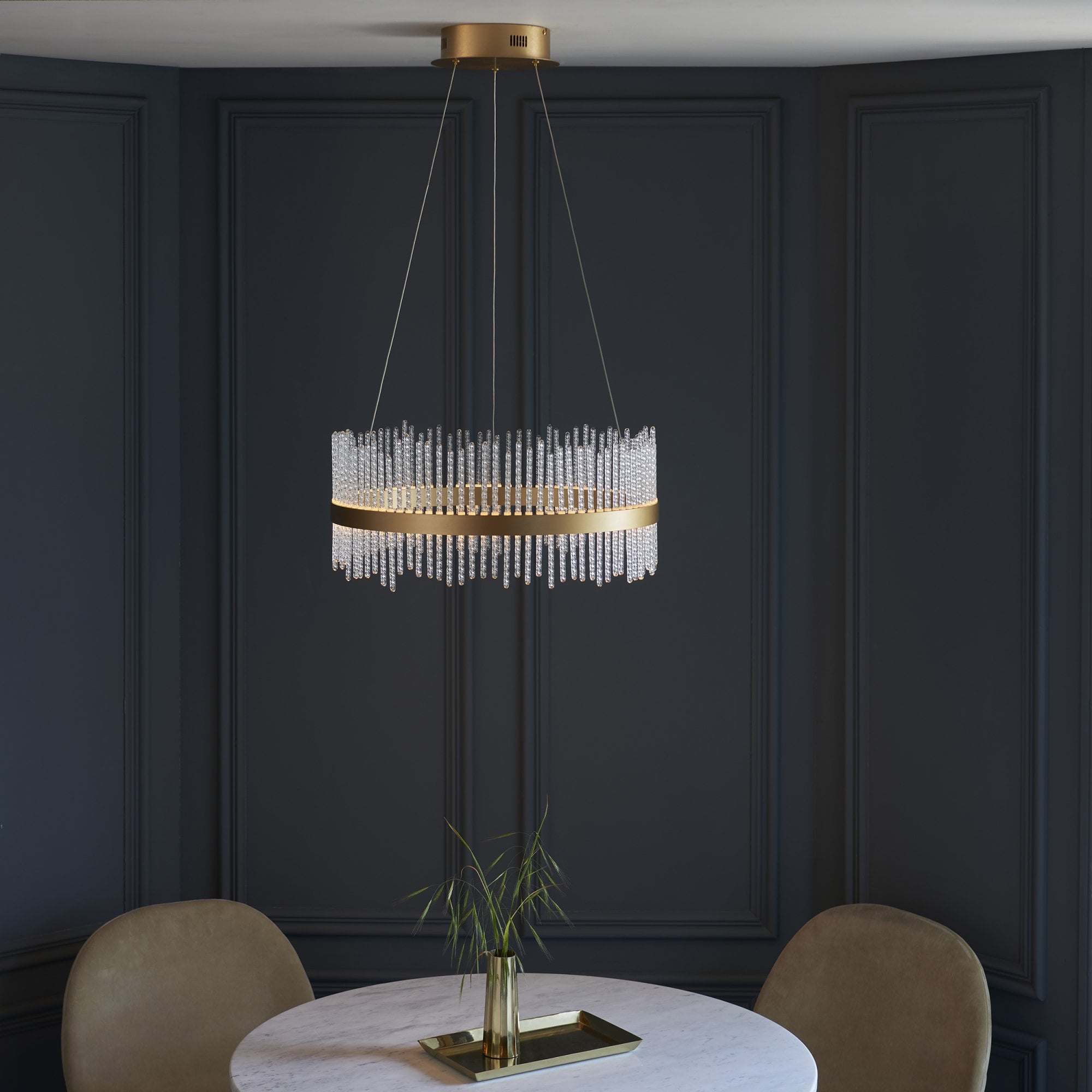
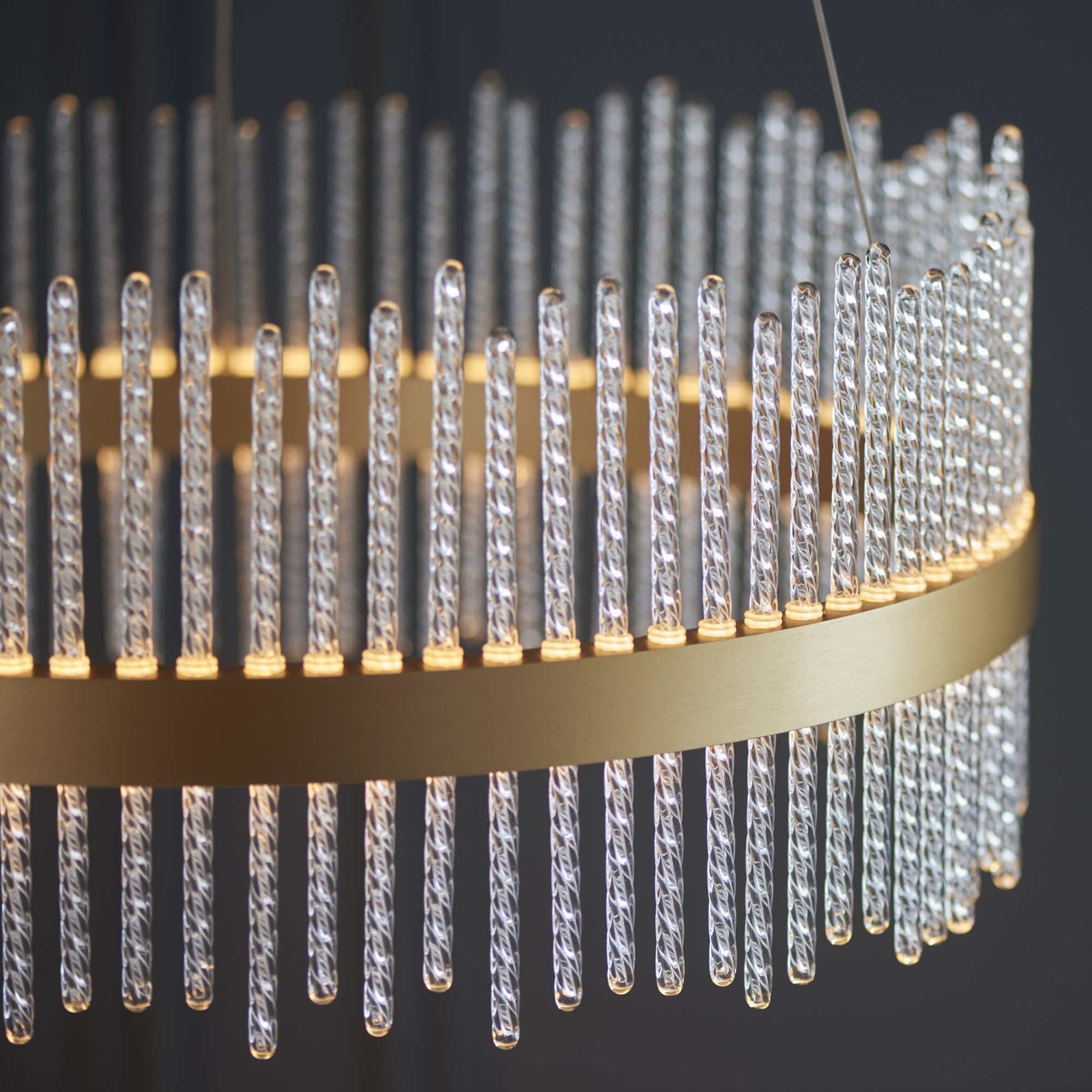
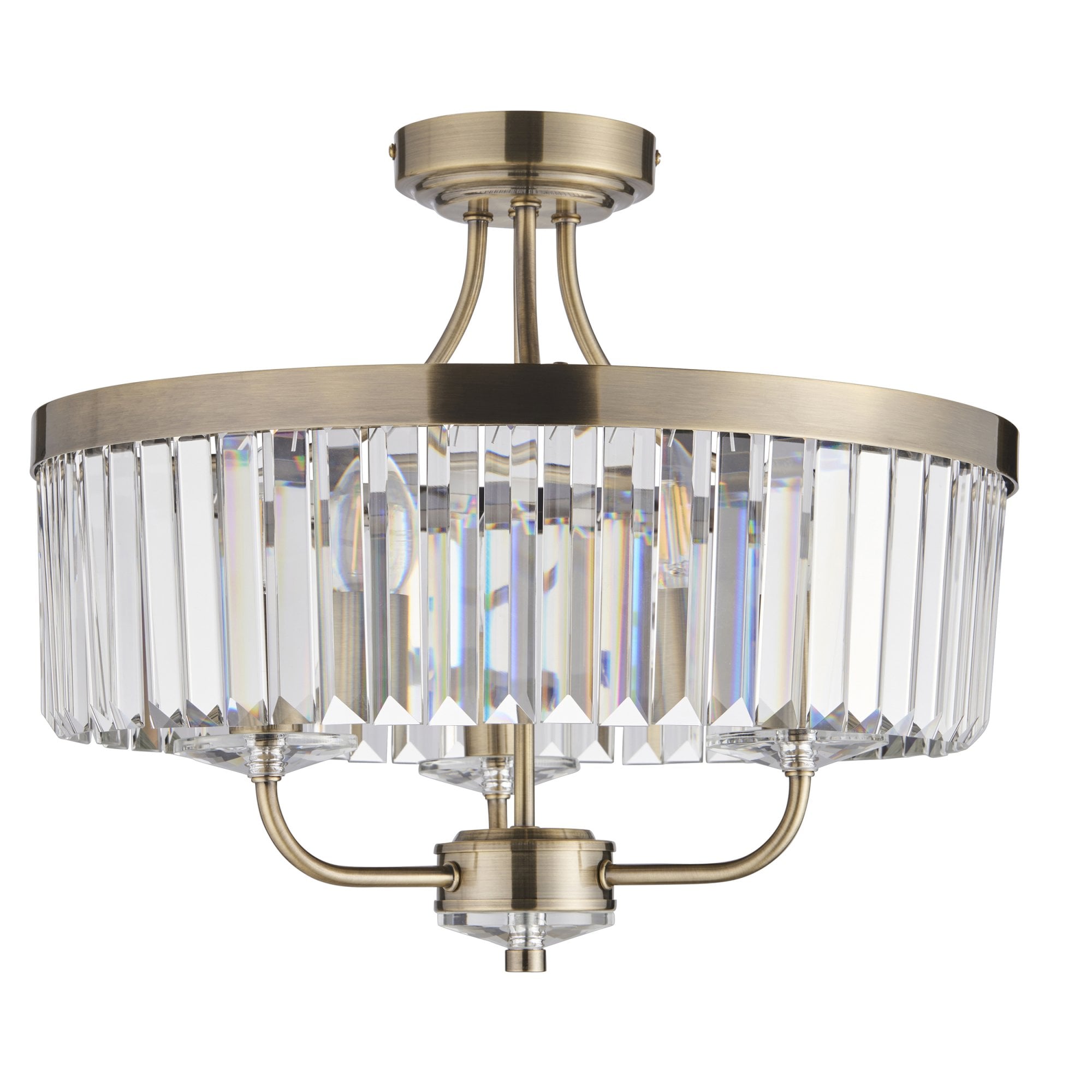
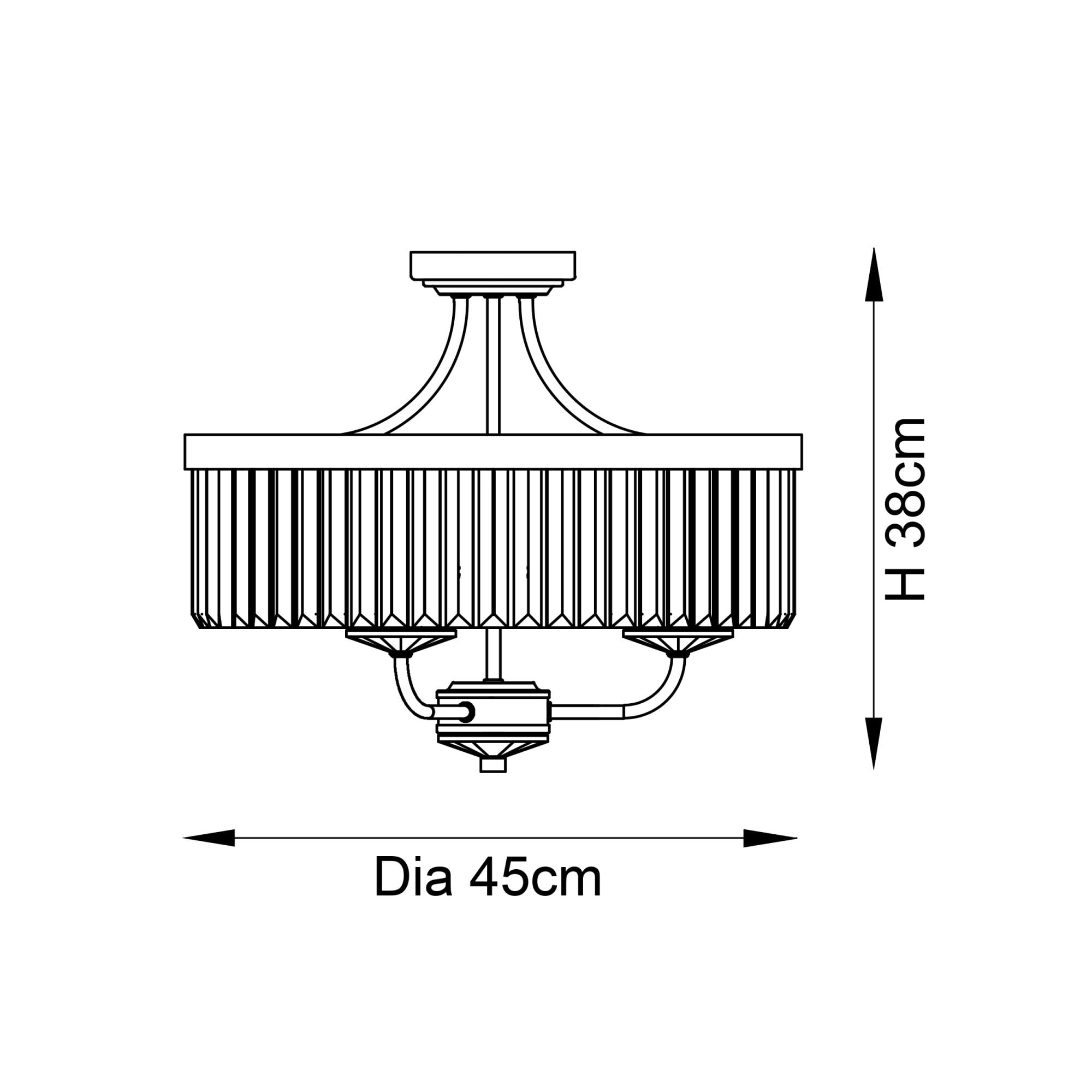
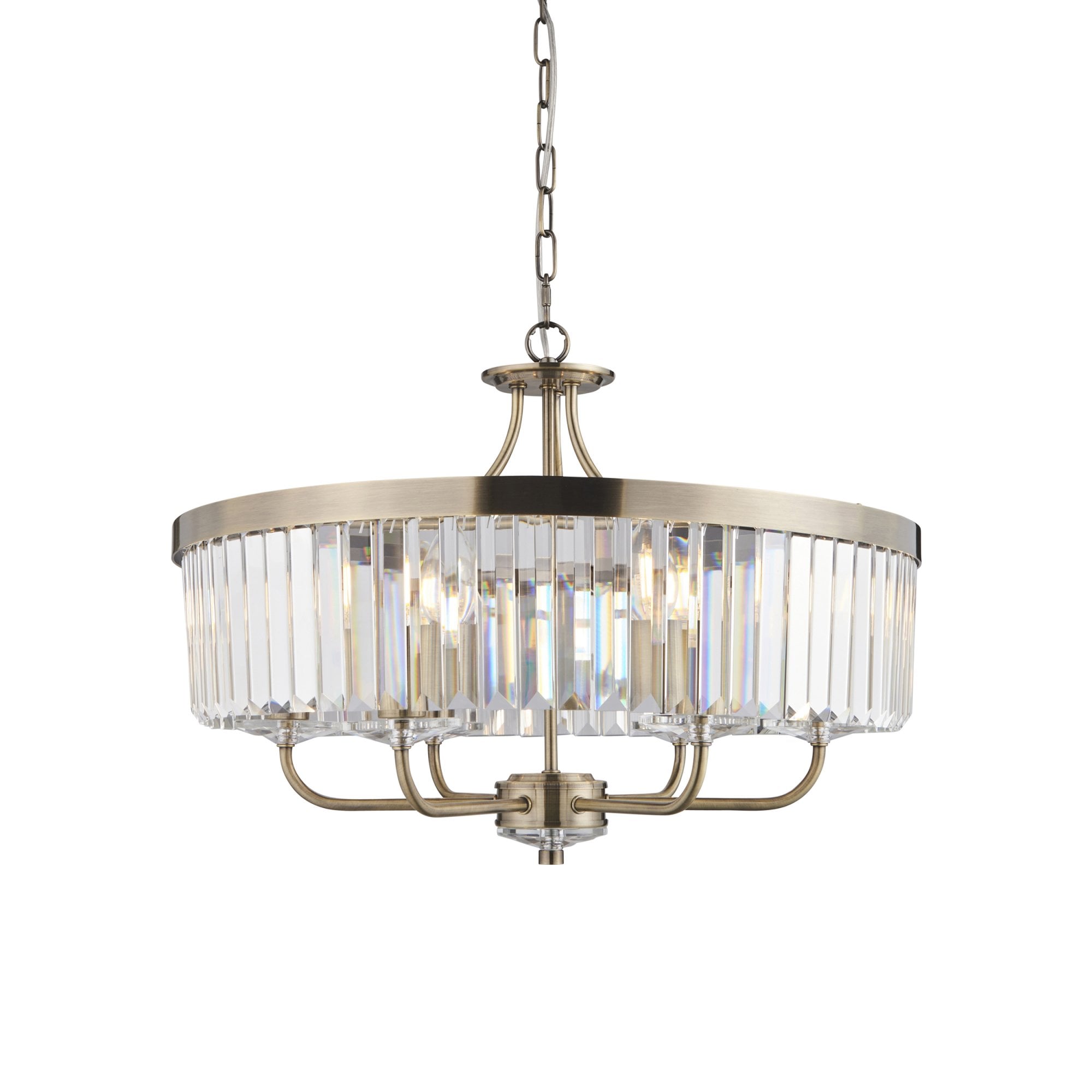
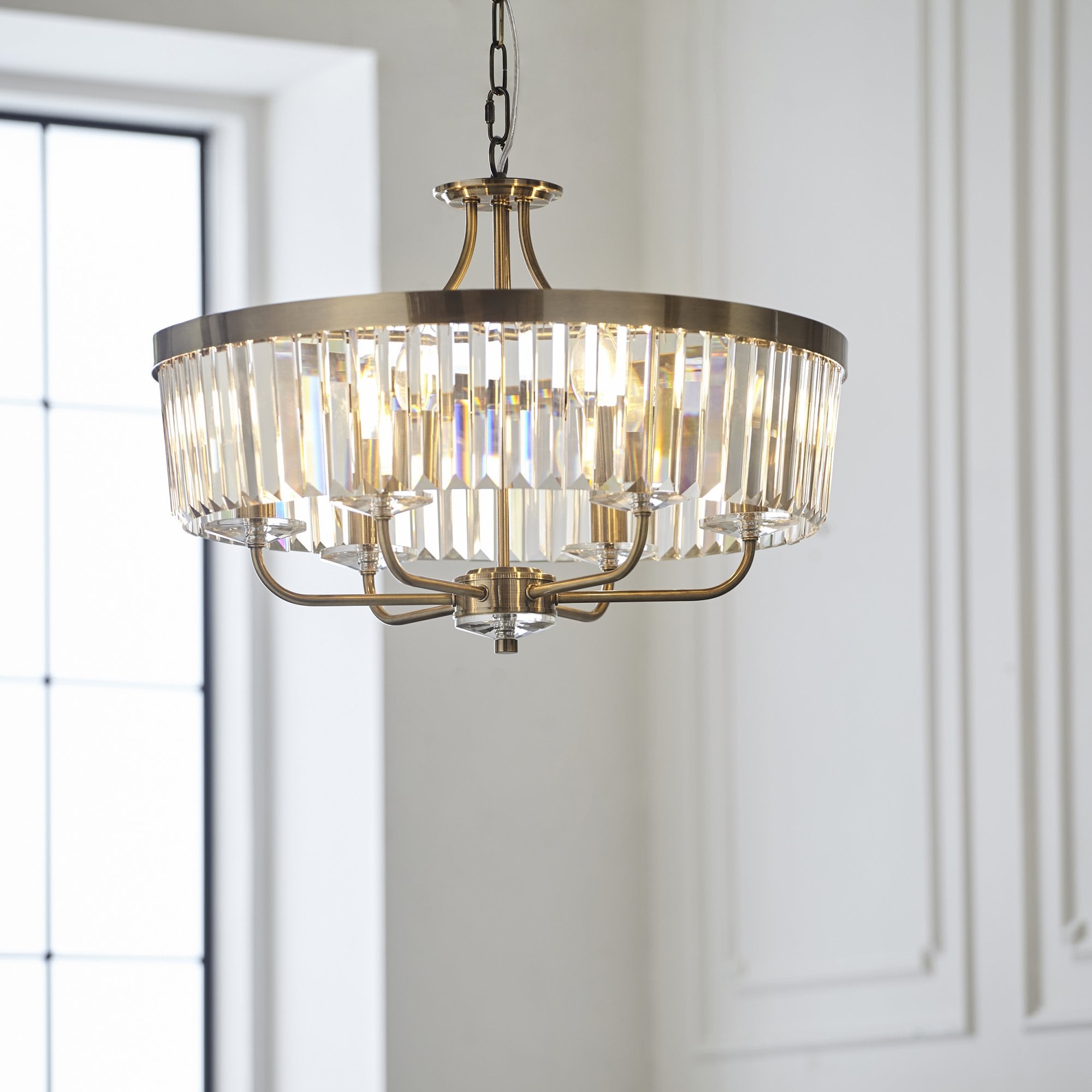
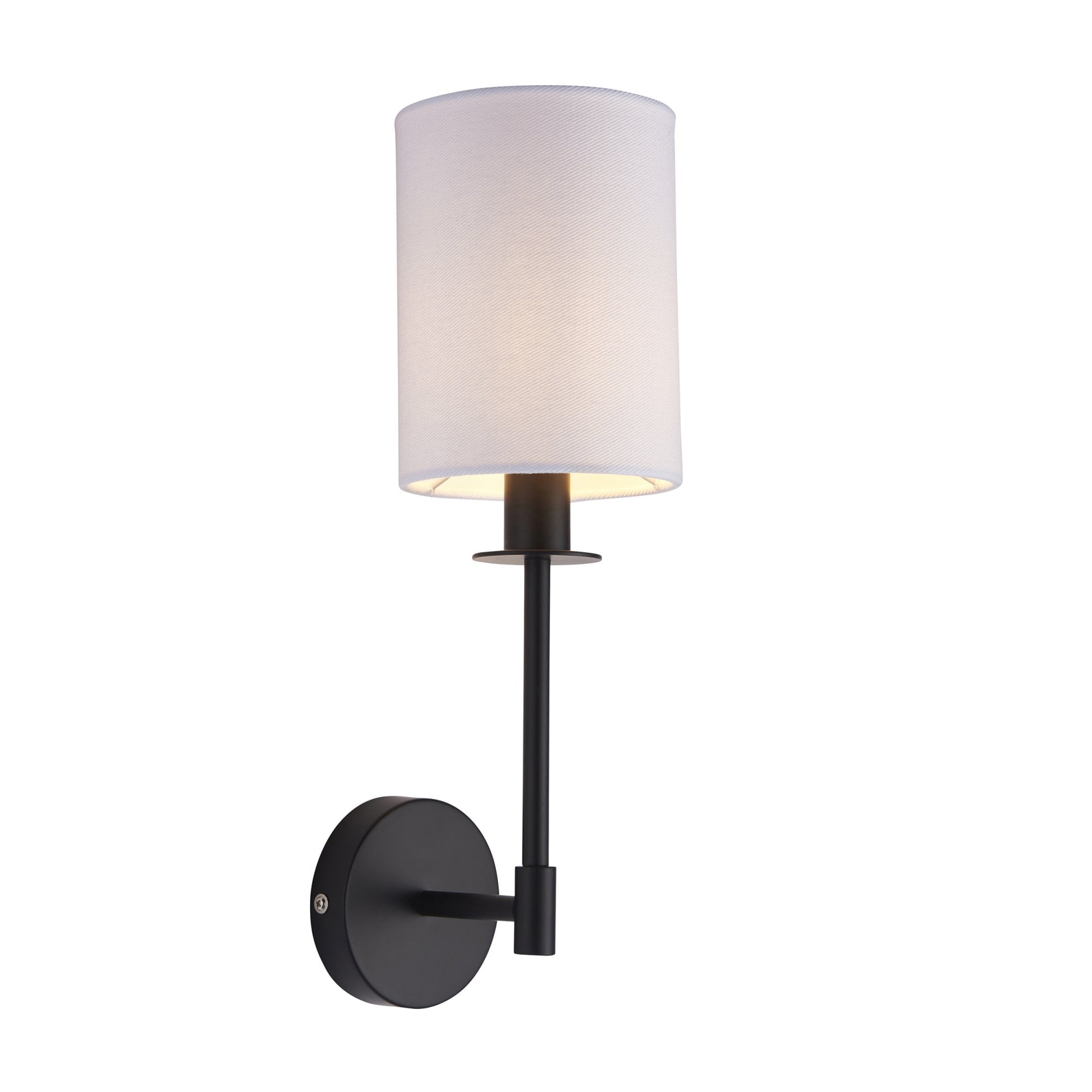
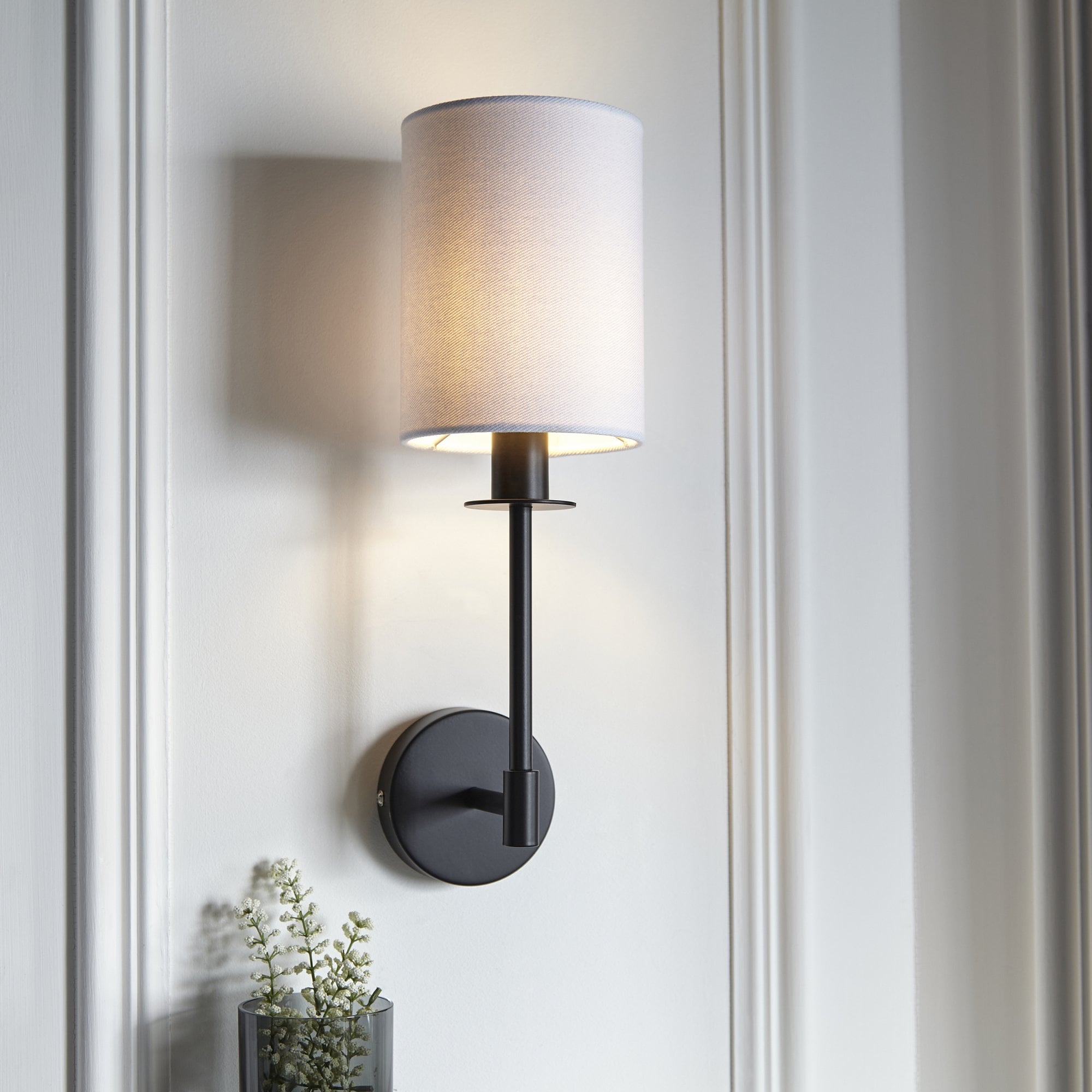
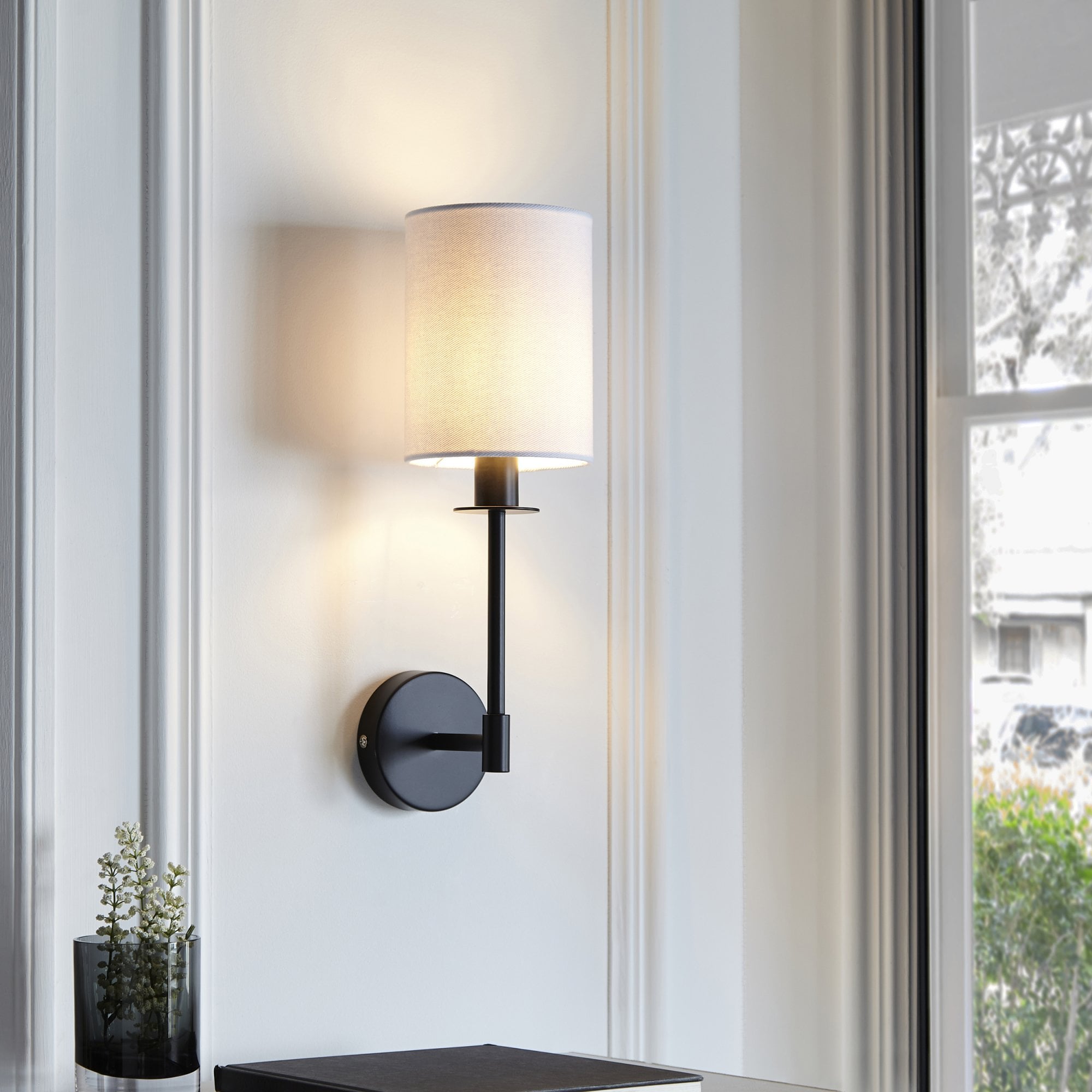
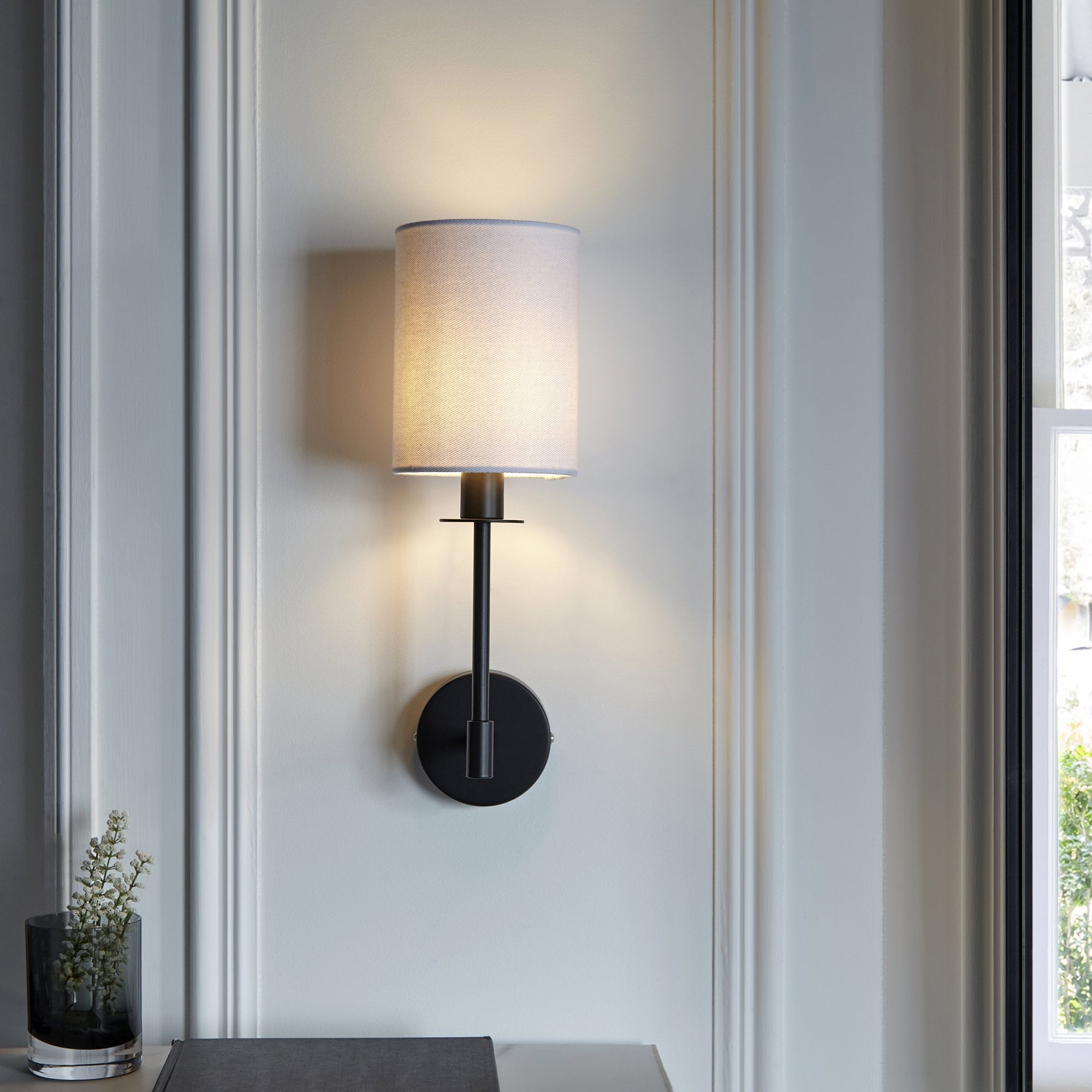
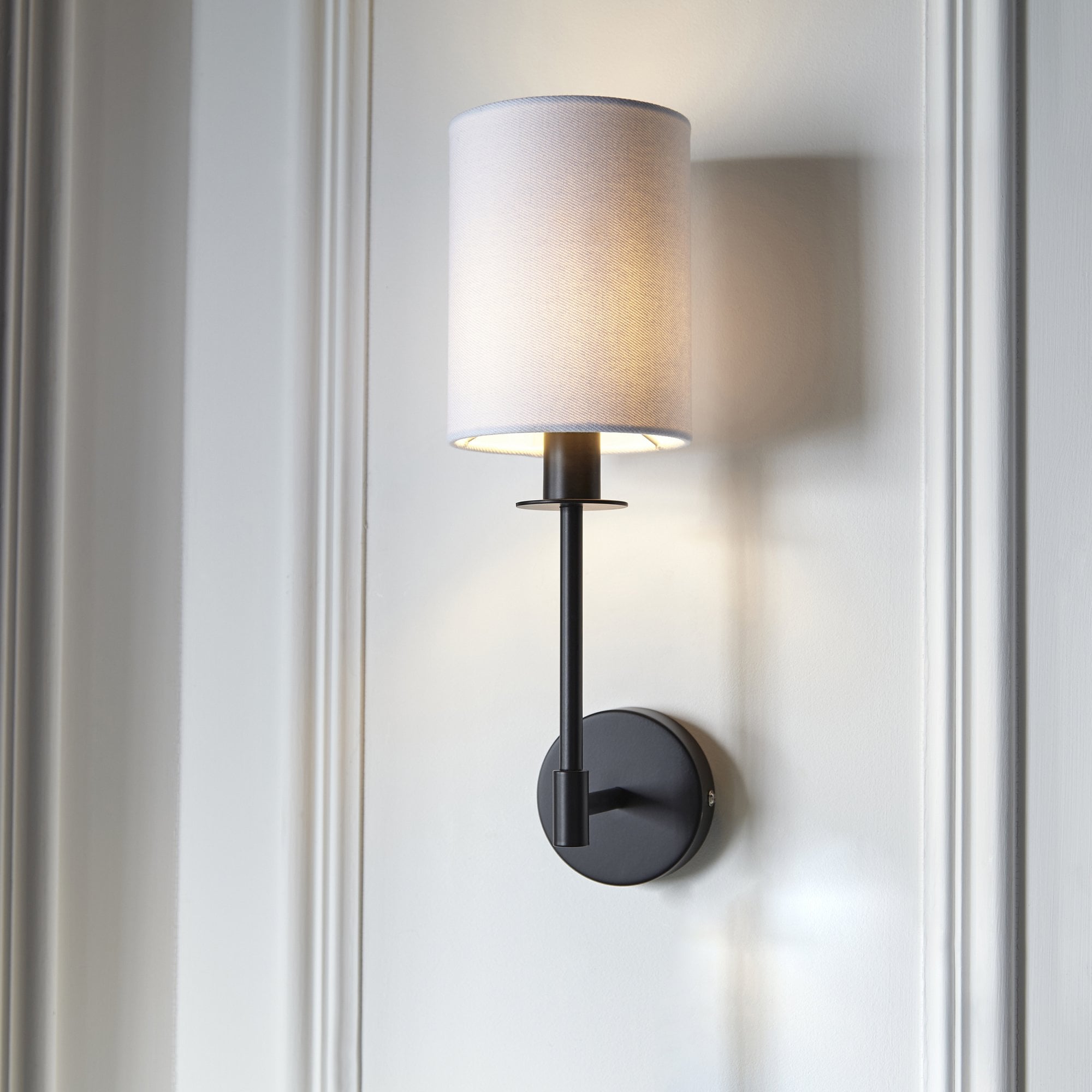
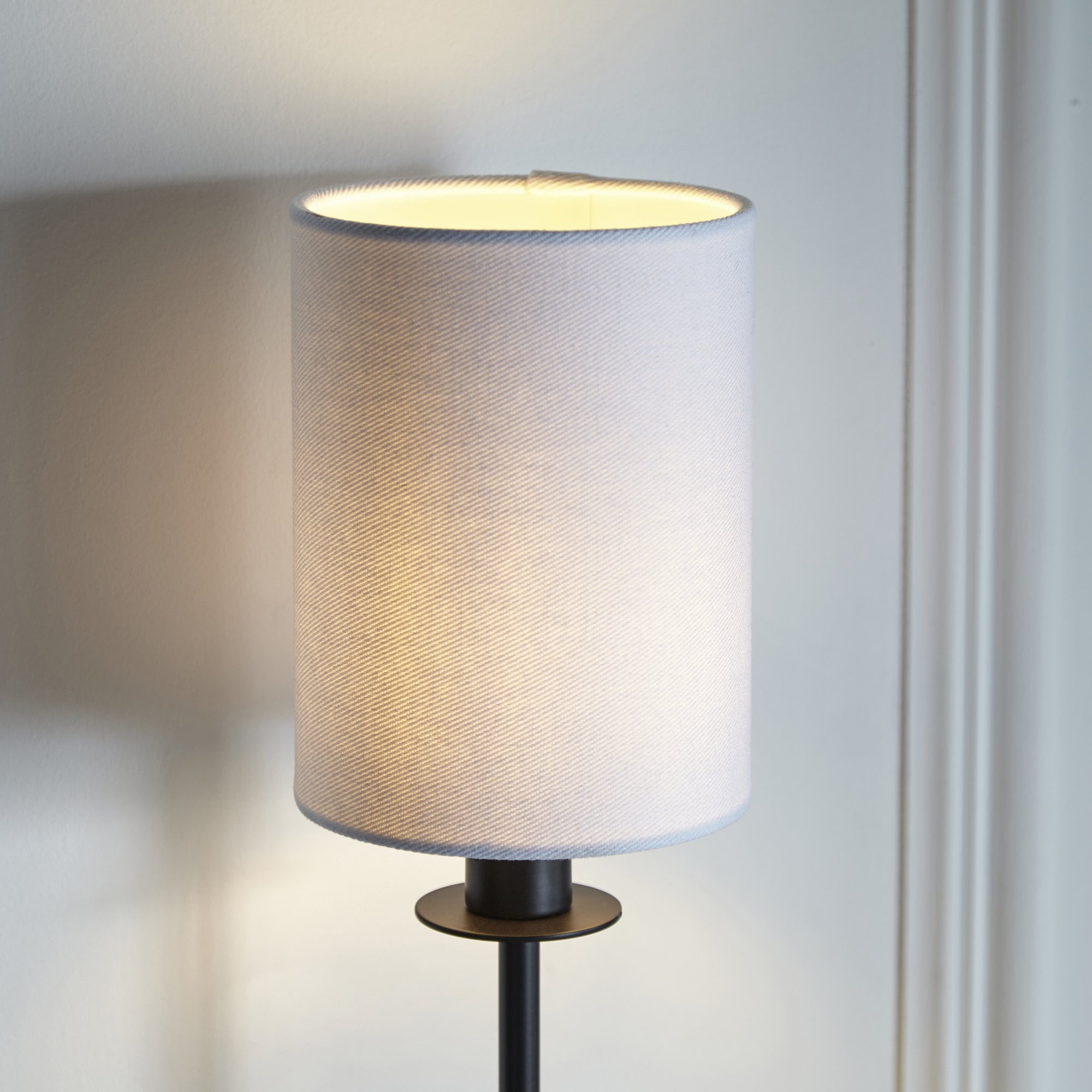
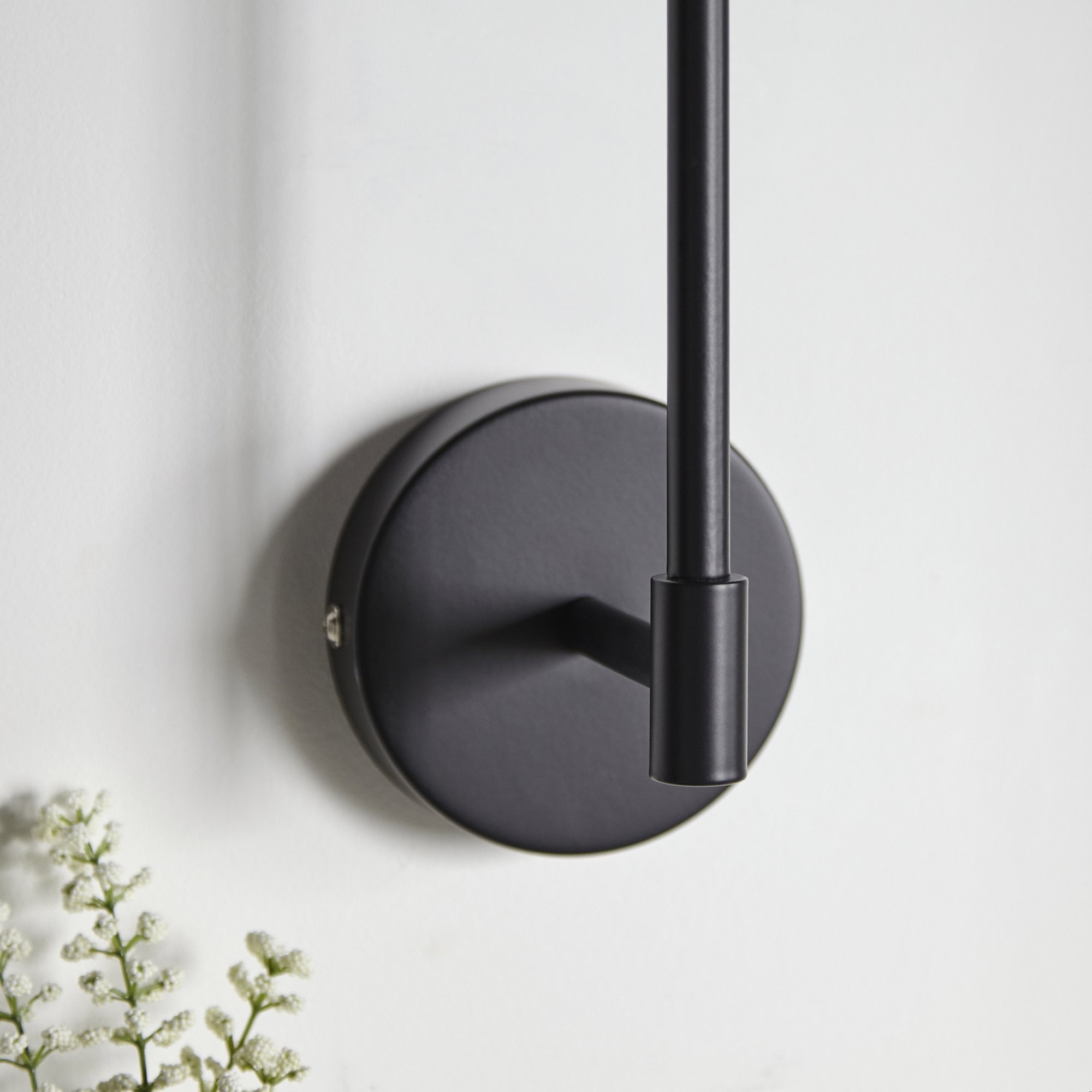
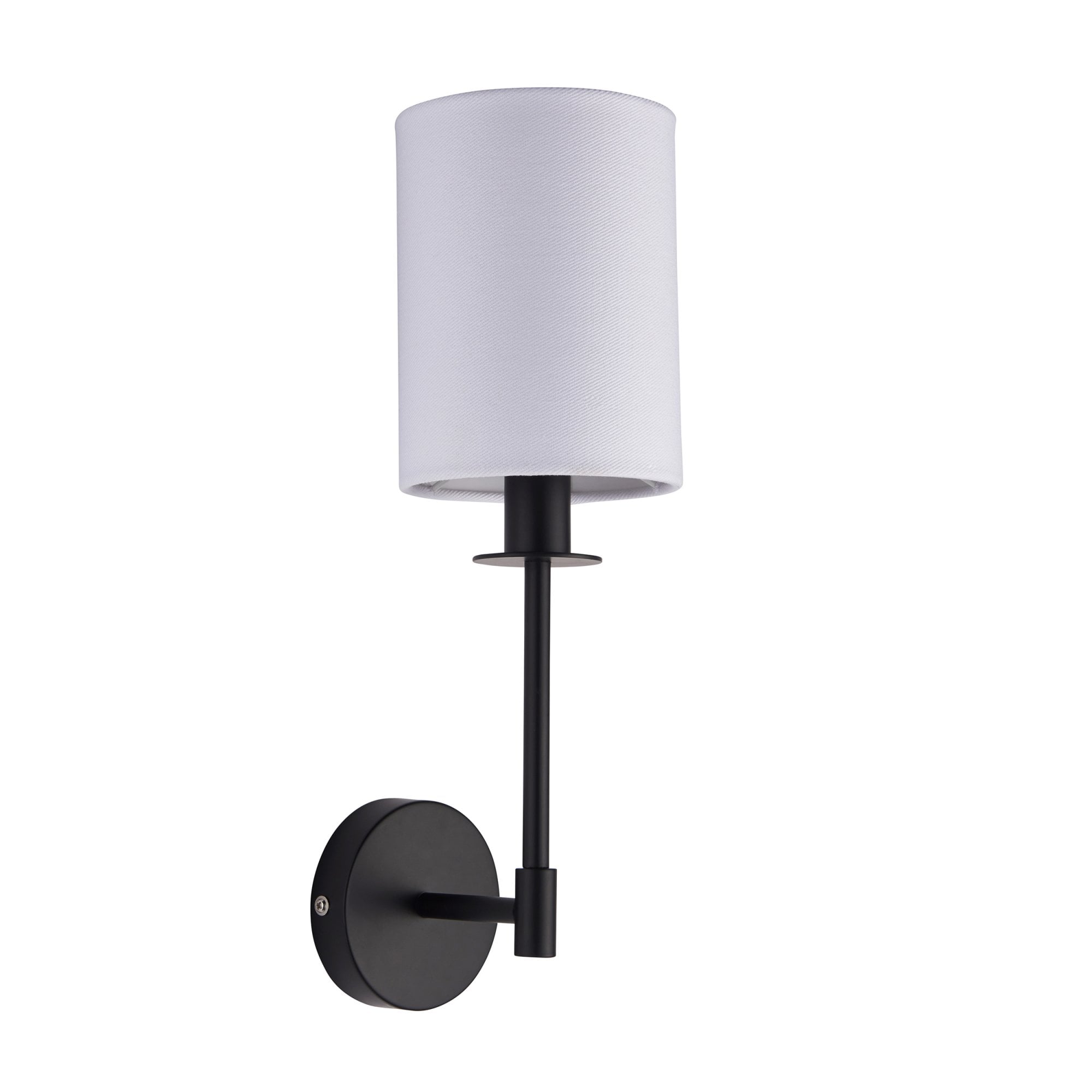
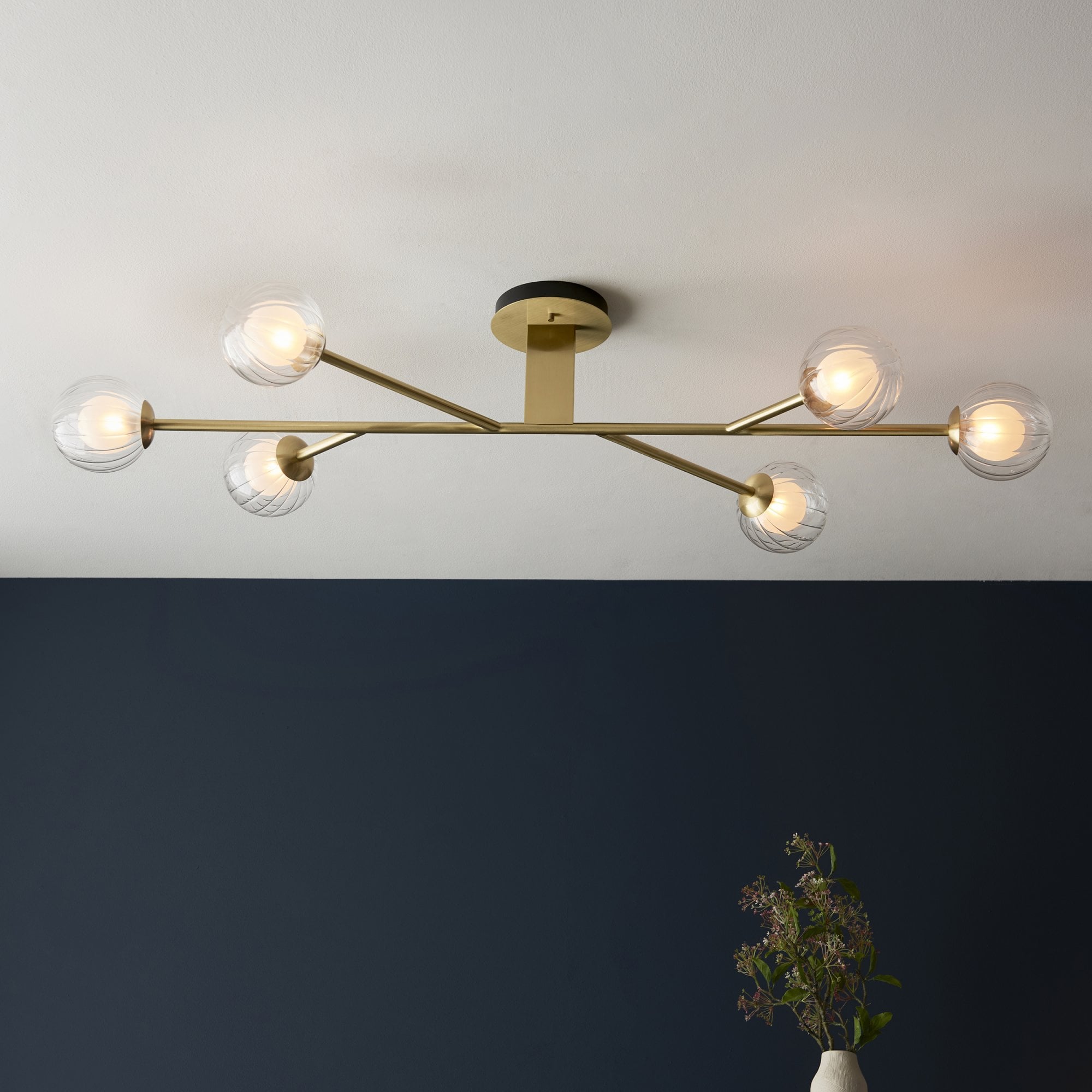
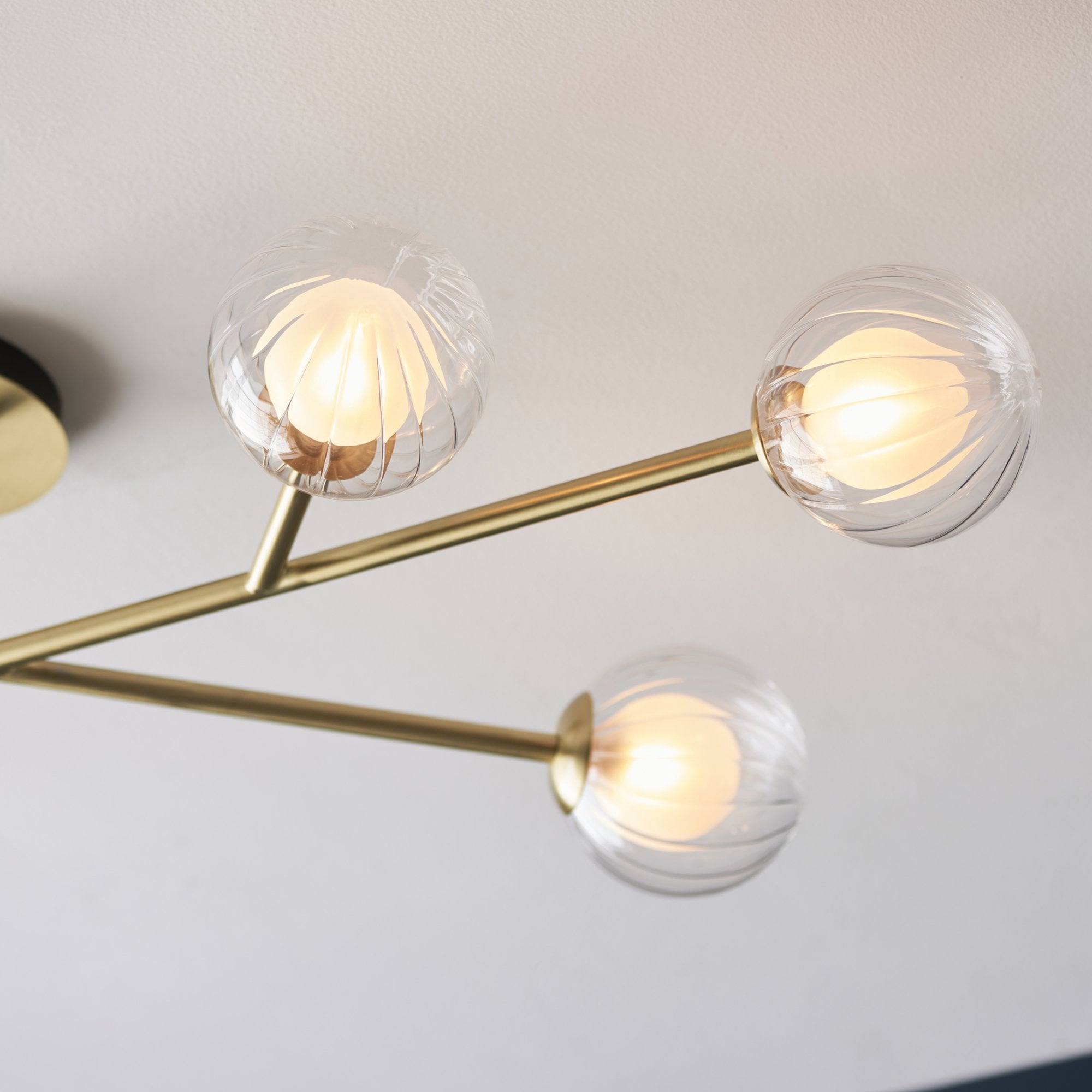
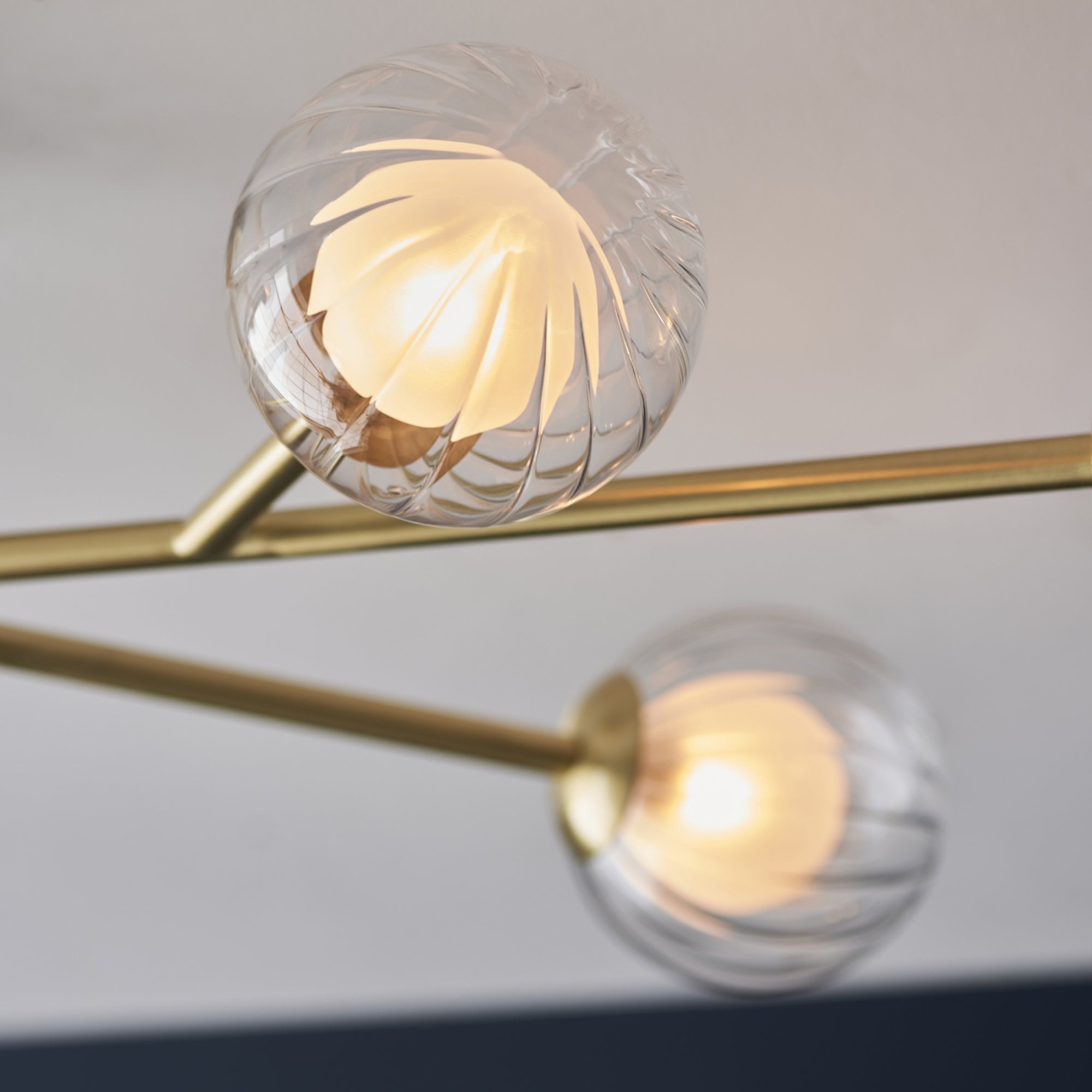
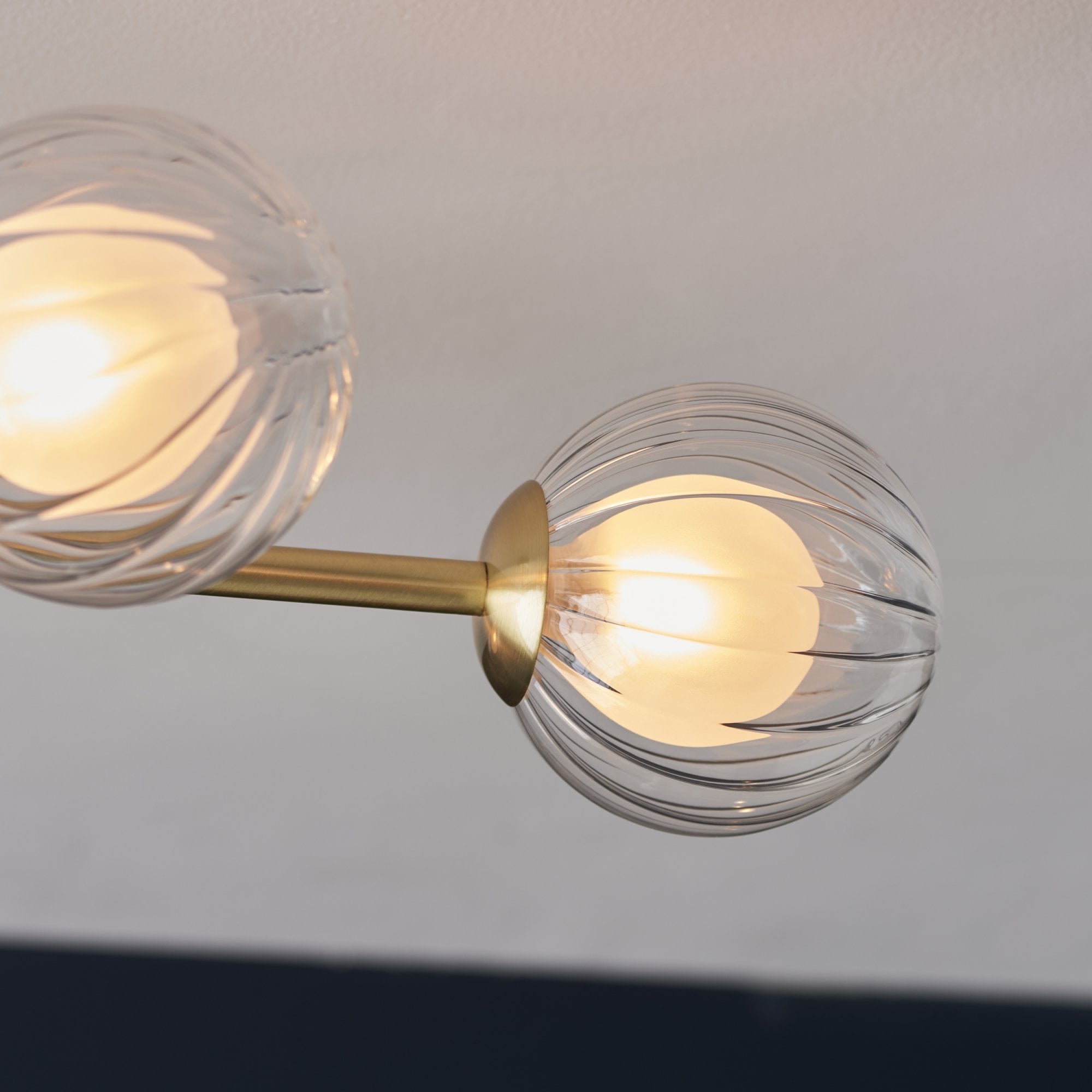
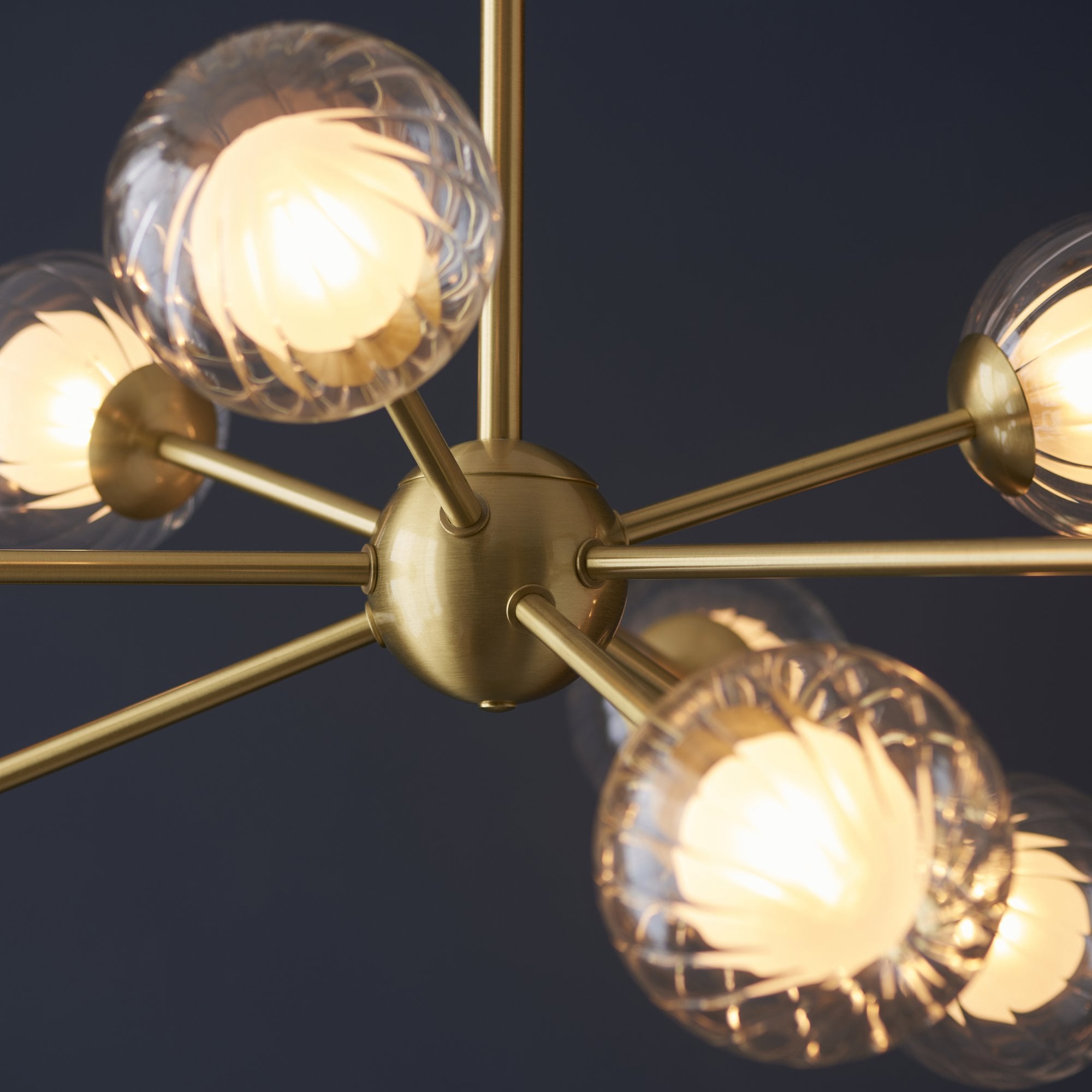
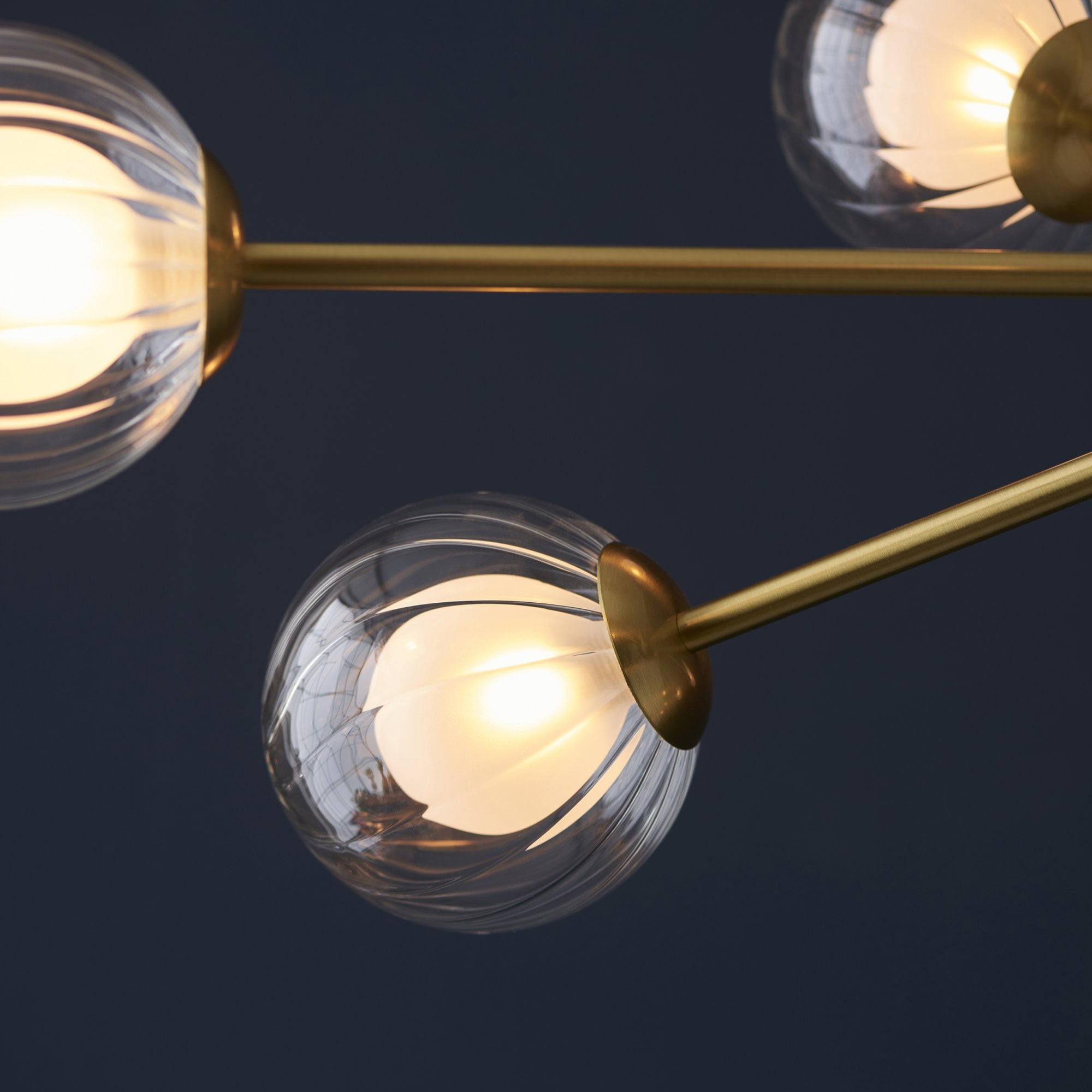
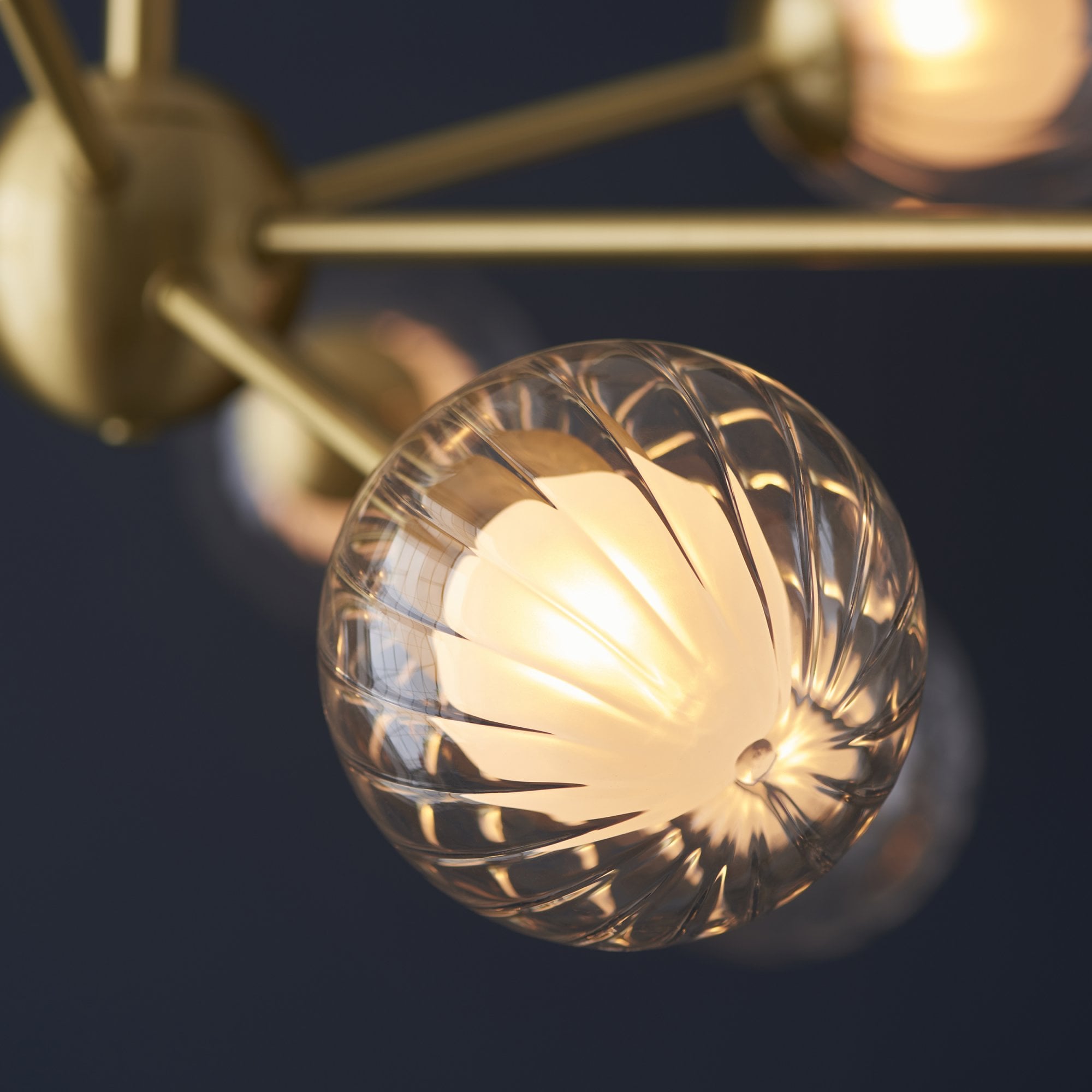
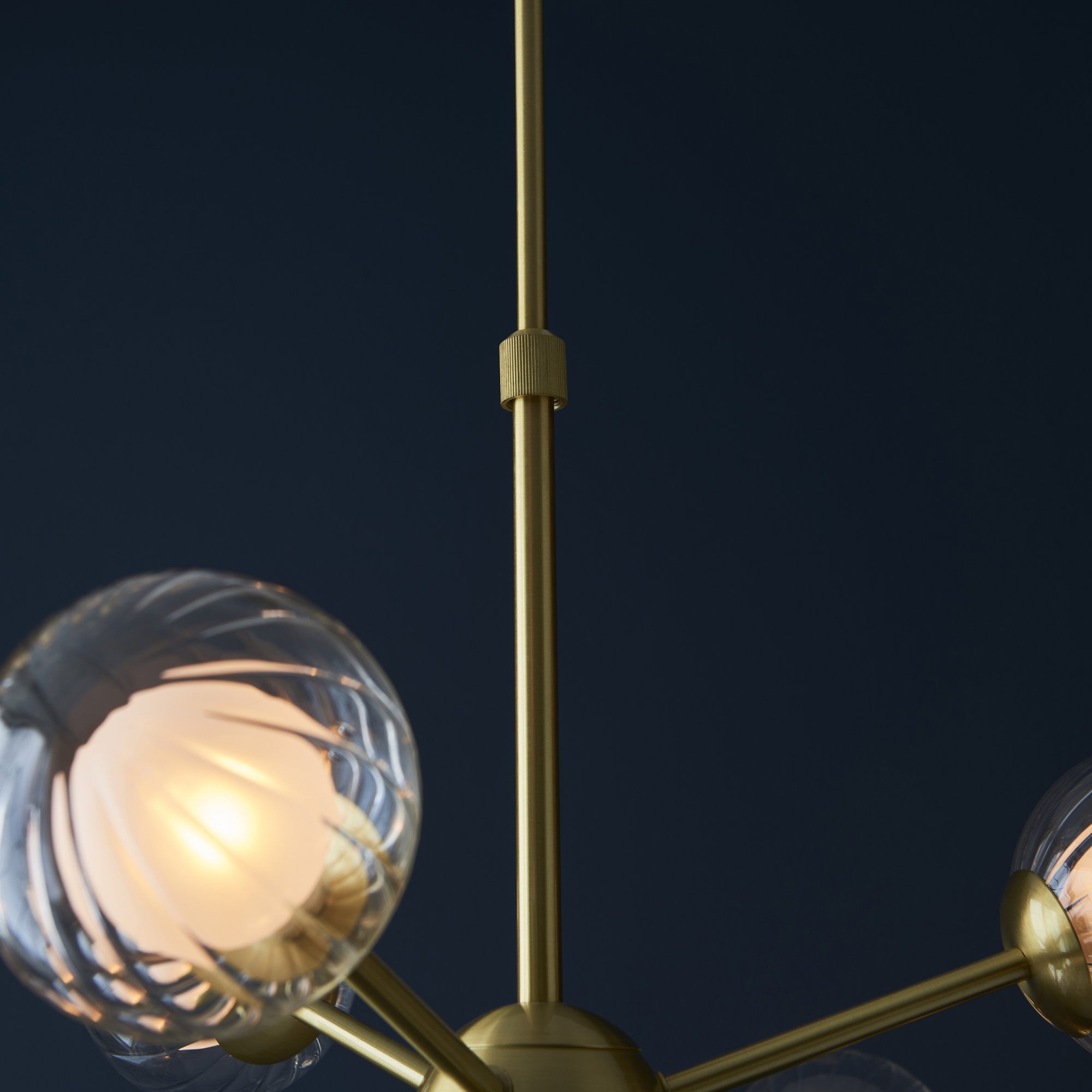
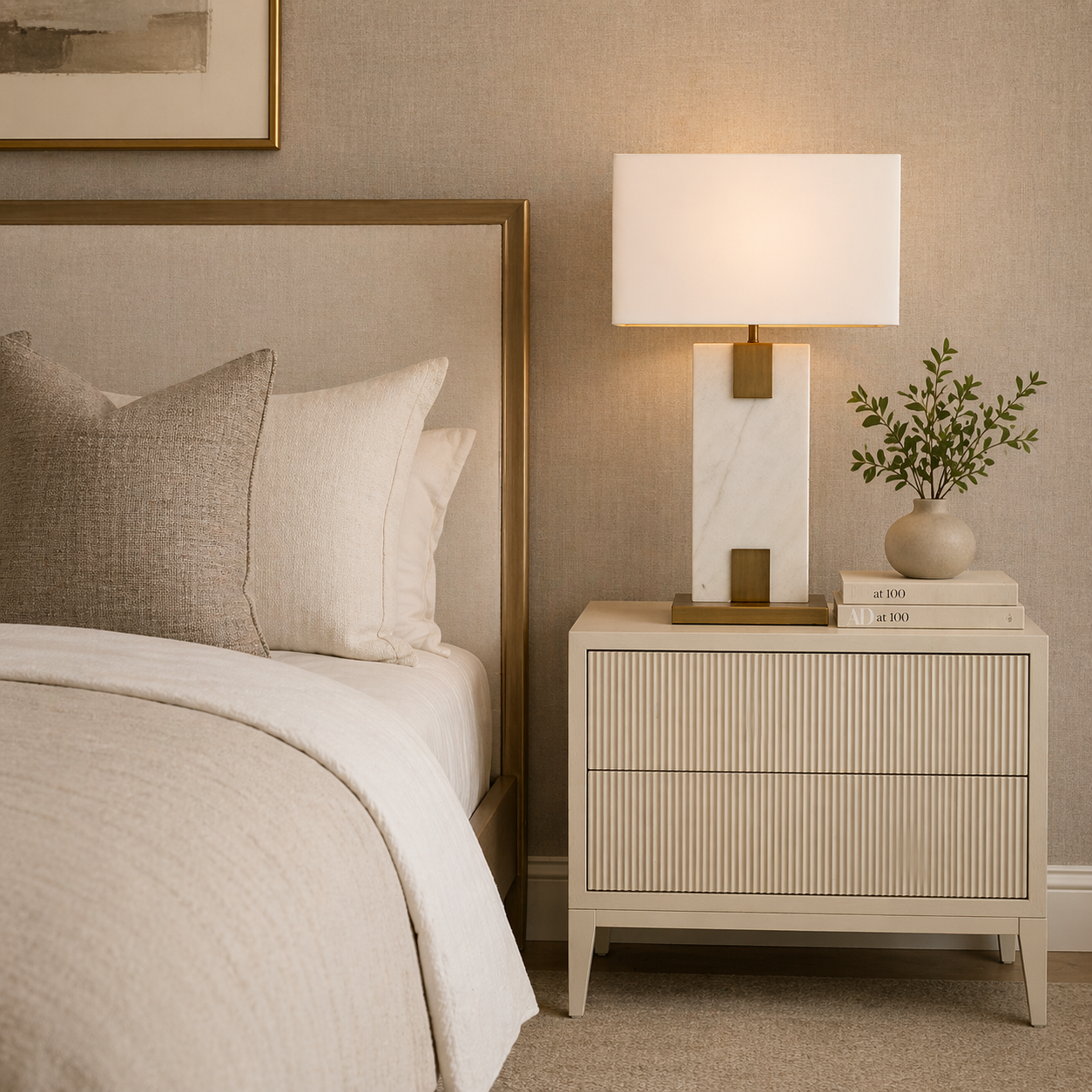
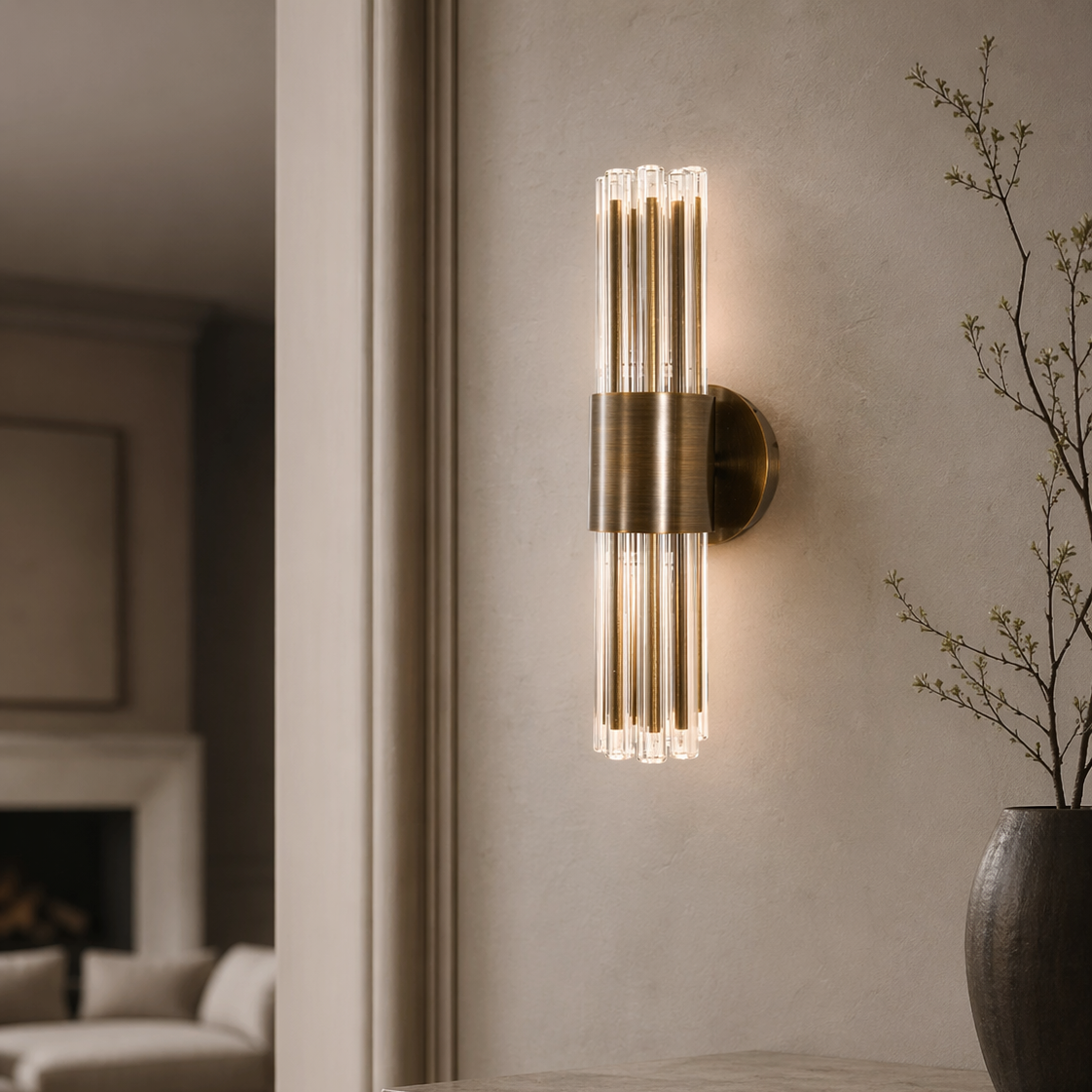
Indoor Lighting AT CP Lights Explore our extensive collection of stunning interior lighting, expertly made to cater to a range of different aesthetics. Here at CP Lights, we believe that incorporating the right lighting makes all the difference when it comes to the feel and ambience of your home, which is why we pride ourselves in offering a vast selection of attractive lighting options, featuring durable materials from glamorous chrome and crystal to traditional brass and antiqued styles. Whether you adore minimal design or prefer a bolder look when it comes to home décor, our exclusive collection and range of brands are sure to have something to suit your home. Frequenlty Asked Questions What are the different types of interior lights? Different types of interior lights include, ceiling lights, chandeliers, pendant lights, wall lights, table lamps and floor lamps. Ceiling lights provide general illumination, pendant lights offer focused task or ambient lighting, wall lights act as decorative features and table lamps provide localised task lighting. Floor lamps are free standing and offer flexibility in directing light. How can I choose the right fixture to enhance the mood and functionality of a room? To choose the right lighting fixture for enhancing the mood and functionality of a room, consider the purpose and activities that will take place in the space. Create a layered lighting scheme by combining ambient, task and accent lighting. Take into account the style and deco of the room, ensuring the fixture compliments to existing design. Consider the size and scale of the room when selecting a fixture and opt for dimmable or controllable options for versatility. Energy-efficient fixtures such as Led are recommended. How can I incorporate energy-efficient lighting into my home or workspace? To incorporate energy-efficient lighting into your home or workspace consider transitioning to Led bulbs, which are long-lasting and consume less energy than traditional bulbs. Look for energy star certified fixtures for optimal efficiency. Maximise natural light by arranging spaces to make the most of day light. Install dimmers, occupancy sensors and task lighting to control light levels and focus illumination where needed. Regular maintenance, such as cleaning fixtures and replacing faulty components, ensures optimal efficiency. By following these tips you can achieve energy efficiency, reduce costs and contribute to a sustainable environment. What are the benefits of Led lighting? Led lighting offers a range of benefits compared to traditional options. Led bulbs are highly energy-efficient, resulting in lower energy bills and reduced environmental impact. With a much longer lifespan, they require fewer replacements and maintenance. Led bulbs are durable, resistant to shocks and vibrations and provide instant illumination without flickering. They emit directional light, reducing wasted energy and many are dimmable for customable lighting. Led lighting is environmentally friendly, containing no hazardous substances. Overall Led lighting combines energy efficiency, longevity, durability, instant illumination, directional light, dimming capabilities and environmental benefits making it a preferred choice for residential and commercial lighting. How do I select the right Led bulbs? To select the right Led bulbs, consider factors such as brightness measured in lumens, colour temperature for desired ambiance, high Cri for accurate colour rendering, compatibility with existing fixtures and dimmers, energy efficiency, and brand quality. Choose the appropriate brightness level, colour temperature, and ensure compatibility with your existing setup. Opt for energy-efficient Led bulbs from reputable brands for optimal performance and longevity. Consider the intended application of the bulbs, whether it's general lighting, accent lighting, or task lighting. By taking these factors into account, you can choose Led bulbs that meet your specific lighting needs effectively. How do I create a layered lighting design in a room? Creating a layered lighting design involves strategically combining different types of lighting to achieve a balanced and inviting atmosphere in a room. Begin by understanding the room’s purpose and identify what the room will be used for. Start with ambient lighting, which provides overall illumination, use fixtures like chandeliers or recessed lights. Next, incorporate task lighting in specific areas where focused lighting is needed such as a desk or kitchen counter spaces. Accent lighting can be used to highlight artwork or architectural features, drawing attention to specific focal points. Consider the use of dimmers and lighting controls to customise the intensity and create various moods. Coordinate the style and design of lighting fixtures to match the overall décor of the room. By layering different sources of light and adjusting their positions and heights, you can create depth and dimension, transforming the space into a functional and visually appealing environment. How can I effectively use task lighting in specific areas of my home? To effectively use task lighting in specific areas of your home, identify the task areas and select appropriate fixtures that suit the purpose and style of each area. Ensure the brightness of the task lighting matches the activity, and consider the colour temperature for the desired ambience. Properly position the lighting source to minimise shadows and direct light where needed. Supplement task lighting with ambient lighting for overall illumination. Choose fixtures with adjustable features for flexibility, and consider task lighting in unconventional areas. Explore our range of interior lighting and get Free delivery on orders over £100 or visit our showroom.